
Every sport has its curtain-raiser, the moment when the calendar resets and hope springs eternal. For British flat racing, that moment arrives on the final Saturday of March at Doncaster, where the Lincoln Handicap marks the official start of the turf season. The race has been doing this job since 1853, which makes it older than most of the bookmakers who now take bets on it.
The Lincoln Handicap is a one-mile handicap for horses aged four years and older, run on the straight mile at Town Moor. It attracts fields of twenty or more runners, all carrying different weights assigned by the official handicapper. This levelling process is designed to give every horse a theoretical chance of winning, though as any punter knows, theory and practice rarely shake hands in horse racing.
Understanding what the Lincoln Handicap actually is, how handicapping works, and why this particular race commands such attention provides essential context for anyone looking to have an informed punt on Britain’s traditional season opener.
Race Format and Conditions
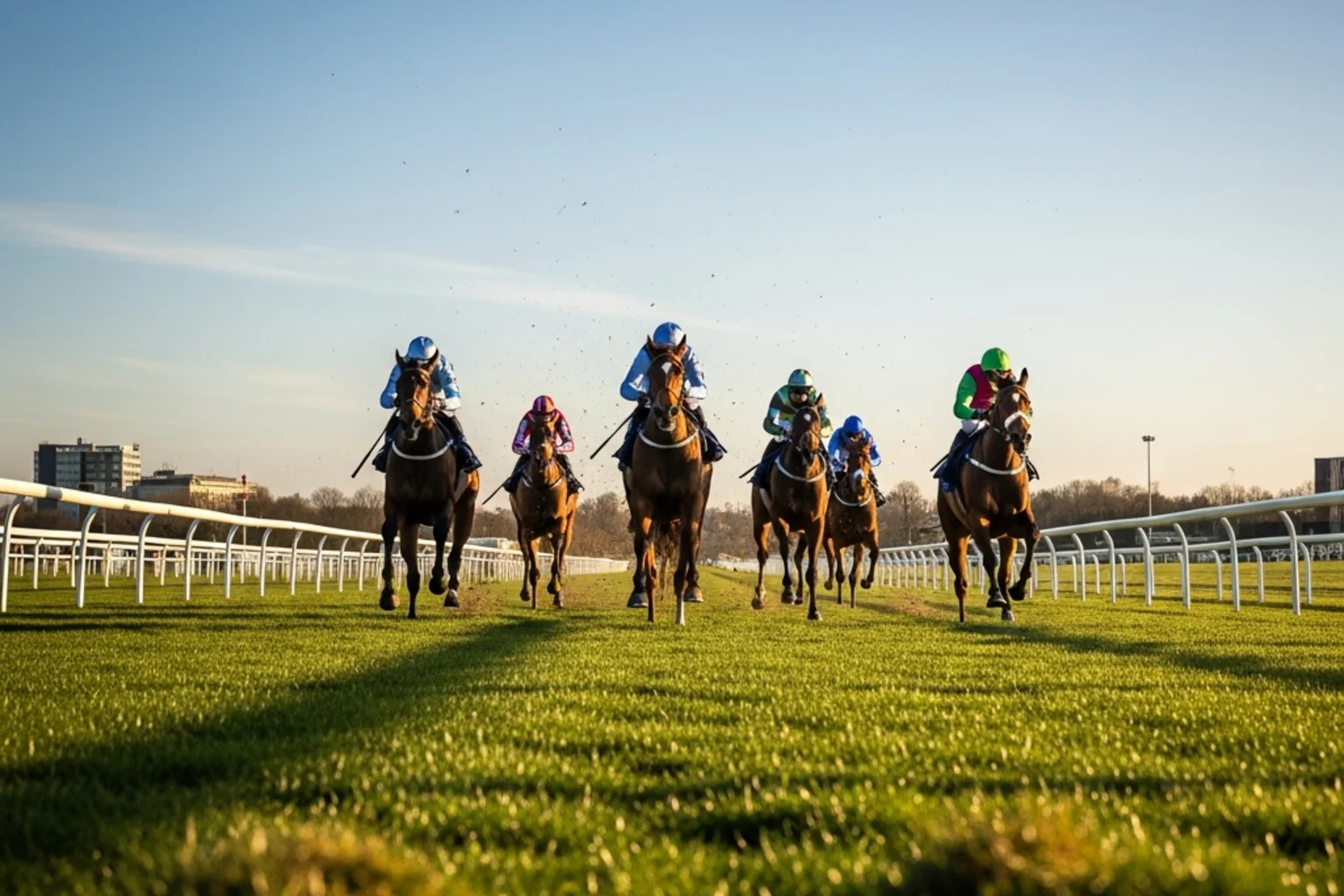
The Lincoln Handicap is run over one mile on Doncaster’s straight course, a flat stretch of turf that offers no hiding places. Unlike races with bends, where positioning and race craft can compensate for deficiencies, the straight mile rewards pure speed, stamina, and the ability to handle large-field traffic. Horses break from starting stalls numbered from the stands rail to the far side, and the draw becomes a significant factor in determining which part of the track runners will race on.
Entry is restricted to horses aged four and above, with weights assigned based on official ratings. The top-rated horse carries the maximum weight, while lower-rated horses receive weight allowances to theoretically equalise their chances. In practice, the race typically sees weights range from around nine stone seven pounds down to eight stone two pounds, though the exact spread depends on the quality of the entries.
Field sizes routinely exceed twenty runners, making the Lincoln one of the most competitive handicaps on the calendar. The 2025 renewal saw a field of twenty-two runners, while historical records show the race once attracted fifty-eight starters in 1948 when it was still run at Lincoln Racecourse. Modern safety considerations and racecourse capacity mean such numbers are unlikely to be repeated, but the race remains one of the most populous flat handicaps of the season.
The race typically runs on ground that has wintered well but not yet dried out to summer firmness. Good to soft is common, though March weather can throw up anything from soft after rain to good to firm during dry spells. This variability adds another layer of complexity for punters trying to identify which horses will handle the prevailing conditions.
The Handicap System in Action
The British Horseracing Authority employs official handicappers whose job is to assign ratings to every horse in training. These ratings reflect the handicapper’s assessment of each horse’s ability, expressed as a number on a scale where higher numbers indicate better horses. A horse rated 100 is considered superior to one rated 90, and so on. The system exists to create competitive racing by making horses carry weight proportional to their ability.
In handicap races, these ratings translate directly into weights. The official rating becomes the weight carried, with adjustments made for factors like age and whether the jockey claims an allowance. A horse rated 102 might carry nine stone two pounds, while one rated 92 carries eight stone six pounds. The ten-pound difference represents the theoretical gap in ability between them, with the lighter weight intended to compensate.
The Lincoln Handicap typically attracts horses rated between 85 and 105, though the upper boundary has been pushed higher in recent years as prize money has increased. Analysis of winners from 2014 onwards reveals that horses with official ratings between 99 and 102 have dominated, winning eight of the last ten renewals. This sweet spot suggests the race favours horses good enough to carry a reasonable weight but not so highly rated that they carry burdensome top weight.
Handicapping is not a perfect science, and that is precisely what creates betting opportunities. Horses can be assessed incorrectly, especially early in their campaigns or after layoffs. The handicapper works with historical data, but horses improve, regress, and change. Spotting these discrepancies before the handicapper corrects them is one way punters try to find value in races like the Lincoln.
The timing of the Lincoln adds another dimension. Many horses are making their seasonal debut, meaning form from the previous autumn has to be extrapolated across the winter break. Has a horse strengthened? Has it gone backwards? Did it finish last season still improving or showing signs of decline? These questions lack definitive answers, which is why the Lincoln produces such unpredictable results.
Why It Matters: Season Significance
The Lincoln Handicap holds a peculiar place in British racing culture. It is not the most valuable race, nor does it attract the best horses, yet it commands attention disproportionate to its prize money. The explanation lies in timing. After months of jump racing dominance, with the Cheltenham Festival and Grand National providing the winter headlines, the Lincoln signals the return of flat racing and the start of a new campaign.
British racing operates as a year-round sport, with the industry supporting more than 20,000 jobs directly across 59 licensed racecourses. Flat racing’s return each spring brings its own rhythm and audience, distinct from the jump racing community that dominates the winter months. The Lincoln serves as the bridge between these two worlds, often run on the same card as the final trials for the Grand National just two weeks later.
For trainers, the Lincoln offers an early opportunity to test horses who have wintered well. A victory here suggests the preparation has been sound and the horse is ready for a productive season. William Haggas, who holds the record with five Lincoln victories, has spoken about specifically targeting this race as a season-opener for progressive handicappers. His success demonstrates that the Lincoln rewards those who prepare methodically through the winter months.
The race also carries historical weight. Its 170-year lineage connects modern punters to a tradition stretching back to the Victorian era. Names like Doricles, who won in 1901, and Donatello II, the 1937 victor, populate the roll of honour. Only two horses have ever won the Lincoln twice: Ob in 1906 and 1907, and Babur in 1957 and 1958. These records stand as testament to how difficult the race is to win even once, let alone repeat.
Prize Money and Prestige
The Lincoln Handicap carries a total prize fund of £150,000, with the winner collecting £77,310. This places it among the more valuable handicaps of the early season, though it sits below the top-tier Group races that will follow as summer arrives. The prize money has increased substantially over recent decades, reflecting the overall growth in racing purses supported by the Horserace Betting Levy Board. HBLB levy income reached £108.9 million in 2024/25—the highest since the 2017 collection reforms—with approximately £67 million distributed directly to prize money.
The prestige of winning the Lincoln extends beyond the monetary reward. Connections gain the satisfaction of opening their flat campaign with a victory in one of the most recognisable races on the calendar. For jockeys, it provides an early-season boost that can set the tone for the months ahead. Cieren Fallon, who won aboard Godwinson in 2025, noted how the race played out tactically and how the strong headwind affected his approach, demonstrating the level of detail that goes into winning even a handicap.
The Lincoln also attracts significant media attention, which adds to its value for owners and sponsors. Television coverage brings the race to a national audience, and the narrative of the flat season beginning ensures preview articles and race analysis fill racing publications in the days beforehand. This exposure has commercial value that supplements the prize money on offer.
For punters, the Lincoln offers something different: a chance to study form, analyse trends, and make an informed selection in a race where the market is open and outsiders can and do win. Seven of the last eleven winners started at odds of 12/1 or higher, suggesting that backing the obvious contenders is not necessarily the profitable approach. The race rewards those who do their homework and are willing to go against the crowd.
The Lincoln Handicap remains one of British racing’s most compelling puzzles. Its combination of a large field, handicapping complexity, and seasonal significance creates a race that rewards careful analysis while retaining enough uncertainty to keep everyone honest. Whether you are a seasoned punter or discovering flat racing for the first time, the Lincoln offers a window into what makes handicap racing enduringly fascinating.