
The Lincoln Handicap marks the unofficial start of the British flat racing season, and for punters, it represents one of the year's first genuine puzzles. Staged over a mile at Doncaster's Town Moor, this heritage handicap routinely attracts fields of twenty or more runners, each carrying weights calculated to give every horse a theoretical chance. The reality, as any seasoned bettor knows, is rather different. Some trends persist across decades. Others emerge and fade within a handful of renewals.
What makes Lincoln Handicap betting particularly challenging is the sheer competitiveness of the field. Unlike Group races where class separates contenders, handicaps compress the form, turning the race into a puzzle where marginal advantages—draw position, ground preference, fitness edge—can determine the outcome. British horse racing contributes £4.1 billion annually to the UK economy, and heritage races like the Lincoln play their part in sustaining public interest through the transitional weeks between jumps and turf seasons.
This guide takes a data-driven approach to the Lincoln. Rather than tipster hunches or promotional narratives, we examine what the numbers actually reveal: which age profiles succeed, what weight ranges produce winners, how draw bias affects outcomes on Doncaster's straight mile, and why the market's favourite so often fails to deliver. The numbers don't lie, and across twenty-one years of results, certain patterns emerge with uncomfortable clarity for those who bet blind.
"That's five now, which is fantastic. We always try to find one for this race," trainer William Haggas noted after Godwinson's victory in March 2025, securing his record fifth Lincoln triumph. Understanding why certain trainers, certain profiles, and certain race dynamics consistently produce results is the foundation of intelligent Lincoln betting—and the subject of everything that follows.
What the Numbers Reveal About Lincoln Winners
- Nine of the last eleven Lincoln winners were aged four or five—the optimal window before handicap marks catch up with ability.
- Draw matters: 78% of recent winners came from stalls 10-20, with the stands side advantage most pronounced on softer ground.
- Favourites win just 28% of Lincolns over 25 years, while seven of the last eleven winners started at 12/1 or longer.
- The sweet spot for weight falls between 8st 12lbs and 9st 4lbs, with nine of eleven recent winners carrying marks in this range.
- Bookmaker margins in the Lincoln range from 117% to 140%—finding value requires systematic filtering, not gut picks.
What Is the Lincoln Handicap?
The Lincoln Handicap is a Class 2 flat handicap contested over one mile on Doncaster's straight course. Run on the Saturday that traditionally opens the turf flat season, the race carries a prize fund of £150,000, with the winner collecting approximately £77,310. That prize money places it among the more valuable early-season handicaps, though its significance extends well beyond the purse.
As a handicap race, every runner carries a weight assigned by the British Horseracing Authority's handicapper based on official ratings. The system's intention is democratic: theoretically, every horse in the field has an equal chance of winning. In practice, handicaps reward horses whose ability exceeds their current mark—the so-called "well-handicapped" runners—while penalising those whose ratings accurately reflect, or overstate, their capabilities. The Lincoln typically attracts horses rated between 94 and 102, a band where the competition is fierce and small margins decide outcomes.
Field sizes in the Lincoln regularly exceed twenty runners, occasionally pushing toward the maximum permitted entries. This creates a specific betting environment. Large fields mean wider margins for bookmakers, with over-round percentages historically ranging from 117% to 140%. The 2025 renewal saw margins hit 140%, the highest in two decades. For punters, this translates to harder work finding genuine value—the mathematics of large-field handicaps demand discipline rather than optimism.
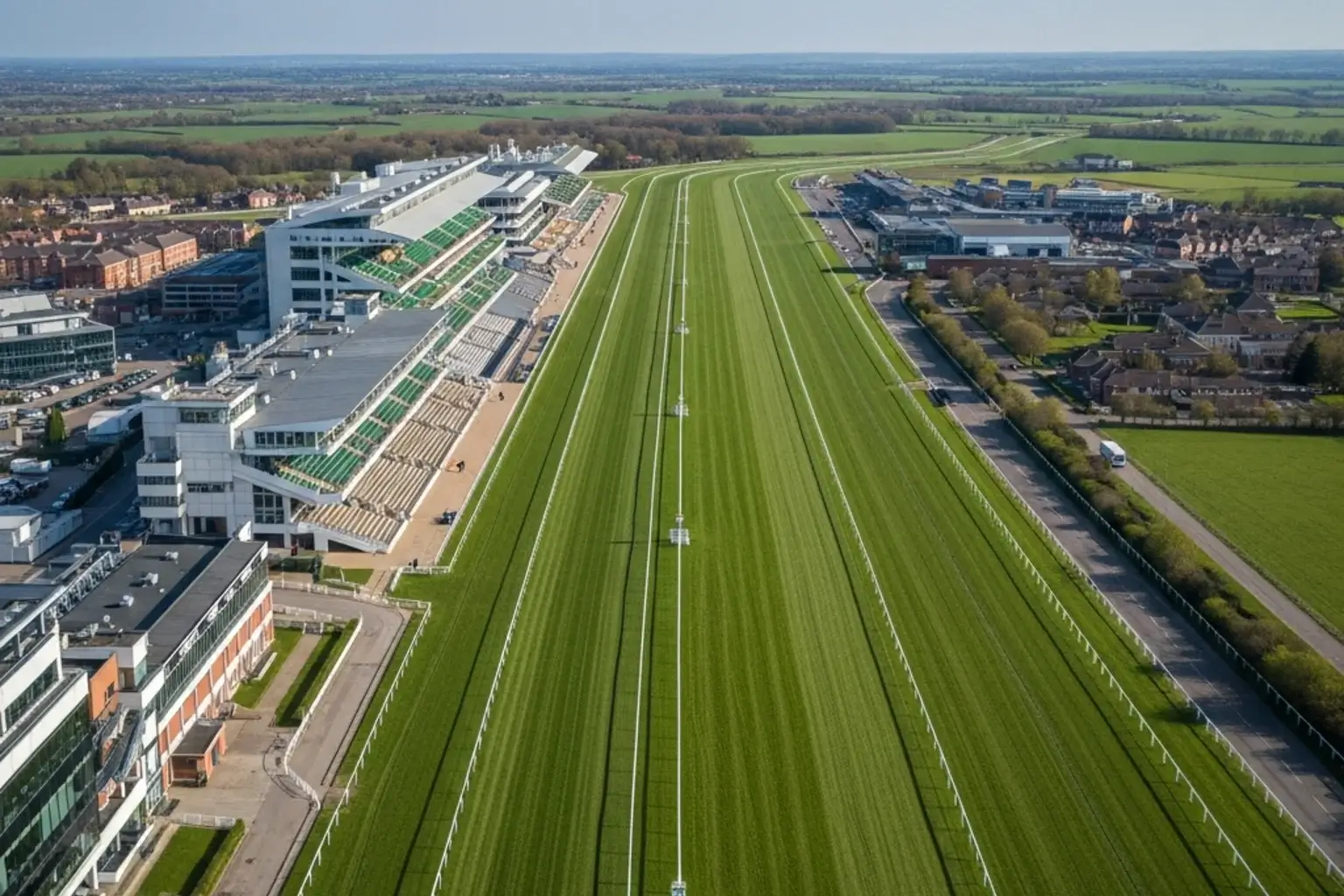
The race is run on Doncaster's straight mile, one of the fairest in British racing. Town Moor's course allows a genuine test without the complications of bends favouring specific running styles. The draw, however, introduces its own complexities. On soft ground, stands-side runners—those in higher-numbered stalls—often gain an advantage, while firmer conditions tend to neutralise draw bias. The interaction between draw position, prevailing ground, and race pace creates tactical puzzles that straightforward form analysis alone cannot solve.
For the betting public, the Lincoln holds a particular appeal. After months of jumps racing, it signals the return of flat action on turf and offers an early-season target for ante-post speculation. Markets open months in advance, with prices shifting as entries emerge and trials provide form updates. The race also forms one half of the traditional Spring Double, a punt combining Lincoln success with Grand National glory two weeks later. That pairing, while largely nostalgic now, once commanded significant attention from bookmakers and punters alike.
The record field for the Lincoln stands at 58 runners, set in 1948 when the race was still held at Lincoln Racecourse. Modern safety limits mean such fields are no longer possible, though entries regularly exceed thirty before the declaration stage.
From Lincoln to Doncaster: 170 Years of Tradition
The Lincoln Handicap dates to 1853, first run at Lincoln Racecourse on the Carholme, a course whose origins stretched back centuries. For over a hundred years, the race anchored Lincoln's racing calendar, drawing crowds to the cathedral city each spring. That 1948 record field of fifty-eight runners speaks to the race's historical popularity, a fixture that captured public imagination long before televised racing and online betting transformed the sport.
Lincoln Racecourse closed in 1964, a casualty of changing economics and declining attendance. The following year, the Lincoln Handicap relocated to Doncaster's Town Moor, where it has remained ever since. The transition preserved the race's character—a competitive early-season handicap run over a mile—while giving it a new home on one of British racing's most storied tracks. Doncaster's straight course suited the race well, eliminating the tactical complications of bends and allowing pure tests of speed and stamina.
Across nearly two centuries, only two horses have won the Lincoln twice. Ob secured back-to-back victories in 1906 and 1907, a feat matched by Babur in 1957 and 1958. The absence of repeat winners since underscores the handicap's equalising intent: once a horse demonstrates Lincoln-winning ability, the handicapper adjusts accordingly, closing the window before a return bid can materialise. Trainers seeking consecutive victories must accept significantly higher weights, a burden few runners can overcome.
The race has served as a springboard for careers both equine and human. Several Lincoln winners progressed to pattern-race success, their early-season victories proving accurate indicators of ability yet to be fully exposed. For trainers, the Lincoln offers early-season stakes that matter—a prestige target before the major Classics begin to dominate attention. William Haggas's five victories represent the modern benchmark, though the race's history contains multiple trainers with impressive strike rates, their methods and horse selections forming case studies in Lincoln handicap preparation.
The Lincoln's connection to the Grand National through the Spring Double added cultural weight during the mid-twentieth century. Dave Dick, in 1956, remains the only jockey to complete both legs of the double, a feat that speaks to both skill and circumstance. The tradition has faded from prominence, though punters still construct Spring Double bets each March, chasing echoes of that earlier era.
The race remains overwhelmingly a British affair. No Irish-trained horse has won the Lincoln since Nahar in 1954—a streak extending over seventy years. This absence reflects both the race's timing (coinciding with the Irish flat season's own early targets) and the challenge of preparing horses across the Irish Sea for March conditions at Doncaster. For punters, Irish raiders deserve scrutiny but warrant healthy scepticism given the historical record.
Betting Fundamentals: How to Approach a Competitive Handicap
Betting on the Lincoln Handicap requires understanding what distinguishes competitive handicaps from other race types. The presence of twenty or more runners, each theoretically given an equal chance through the weight system, creates specific challenges for punters. Standard form analysis helps, but it cannot account for the variable advantages that determine outcomes: fitness edges invisible in ratings, draw positions that confer tactical benefits, and ground conditions that suit some runners while disadvantaging others.
The primary bet types for Lincoln punters divide into three categories: win bets, each-way plays, and ante-post positions. Win betting is straightforward—back your selection to finish first—but the success rate in competitive handicaps makes this approach high-risk. Favourites have won just seven of the last twenty-five Lincolns, a 28% strike rate that fails to compensate for odds typically available. Backing favourites blind in this race loses money over time, which explains why many punters explore alternatives.
Each-way betting suits the Lincoln's competitive nature. With fields exceeding sixteen runners, bookmakers typically offer place terms paying a quarter of the odds for four finishing positions. Some extend this to five places or offer fifth-place insurance through promotions. The mathematics favour each-way approaches when backing runners at odds between 8/1 and 20/1, a range where place returns provide meaningful recovery even when win bets fail. Given that seven of the last eleven winners started at 12/1 or longer, the each-way angle aligns naturally with likely winning profiles.
Ante-post betting—placing wagers before the final field is confirmed—offers value but carries risks. Non-runners forfeit stakes in most ante-post markets, meaning scratched horses represent complete losses. The Lincoln's early-season placement creates particular uncertainty: horses may fail to meet training targets over winter, ground preferences may not align with spring conditions, and handicap reassessments following trials can shift market positions dramatically. For those willing to accept these risks, ante-post prices often exceed day-of-race equivalents by 30% or more.
Understanding bookmaker margins is essential for Lincoln betting. The over-round in large-field handicaps—the percentage by which odds imply more than 100% probability—ranges from 117% to 140% in Lincoln markets. The 2025 renewal carried a 140% over-round, the highest in twenty years, meaning punters faced steeper mathematics than usual. Shopping for best odds becomes critical; the difference between 14/1 and 16/1 on a winning selection represents meaningful value erosion. Best Odds Guaranteed offers, which pay the higher of fixed or starting price, mitigate some of this leakage.
Alan Delmonte, Chief Executive of the Horserace Betting Levy Board, noted in the HBLB Annual Report 2024-25 a concerning trend: "With Levy income having risen for a fourth consecutive period, it may seem counterintuitive that the Board continues to express caution about the sustainability of this trend. This wariness derives from an ongoing fall in betting turnover on British horseracing." That falling turnover—down 19% compared to 2021/22—reflects a more discerning betting public, one that increasingly demands value rather than volume.
The Lincoln's competitive nature rewards each-way approaches at double-digit odds rather than backing short-priced favourites. Shopping for best prices across multiple bookmakers matters more here than in smaller fields.
Lincoln Handicap Trends: What the Data Tells Us
Twenty-one years of Lincoln Handicap results reveal patterns that casual observation might miss. Age, weight, official rating, and starting price all correlate with success in ways that allow punters to filter fields systematically. Pattern recognition beats gut feeling in competitive handicaps, and the Lincoln offers sufficient data to identify genuine trends rather than statistical noise.

Age Profiles That Win
Four-year-olds dominate the Lincoln. Across the last twenty-one renewals, eleven winners were four years old, representing over half of all victors. Extend the analysis to the last eleven runnings, and nine winners were aged four or five. The pattern makes intuitive sense: younger horses often carry ratings that underestimate their improving ability, while older runners typically have exposed form that handicappers assess accurately.
Lincoln Trends Scorecard
How well does your runner fit 21 years of winning profiles?
The Lincoln rewards systematic filtering, not gut picks. Across two decades, winners cluster in five measurable bands — age, weight, official rating, draw and price. Enter a runner below to see how many trends it passes.
For context, the ten most recent Lincoln winners averaged 3.7 of 5 trends — and 2016's Secret Brief ticked all five. A high score is a filter, not a guarantee.
Horses aged six or older rarely trouble the Lincoln judge. Since 1998, only one winner has been seven or older: Migration, who defied age trends in 2023 at the age of seven. That single exception across two decades of racing reinforces rather than undermines the age filter. Backing runners aged four or five eliminates perhaps half the field from serious consideration, a meaningful starting point for systematic analysis.
Weight and the 8st 12lbs to 9st 4lbs Window
Weight assignments in the Lincoln cluster around the middle of the handicap range. Winners, however, concentrate in a narrower band. Nine of the last eleven winners carried between 8st 12lbs and 9st 4lbs, a window that excludes both the top weights burdened by exposed ability and the lightweights whose ratings reflect modest form.
Top weights face the mathematics of weight-for-age scales that work against them over shorter distances. The Lincoln's one-mile trip does not permit the sustained galloping where class can overcome burden. Meanwhile, horses at the foot of the handicap typically occupy those positions because their form warrants it. The middle ground—ratings that suggest ability without the penalty of proven excellence—produces consistent Lincoln winners.
Official Ratings: The 94-102 Sweet Spot
Official ratings offer another filtering mechanism. Lincoln winners typically rate between 94 and 102, a band where competitive handicap performers cluster. More specifically, eight of the last ten winners since 2014 held ratings between 99 and 102, an even tighter window suggesting where the value lies.
Horses rated below 94 rarely possess the outright ability to overcome a field of this quality. Those rated above 102 tend to carry weights that neutralise their class advantage. The sweet spot reflects handicapping dynamics: ratings high enough to indicate genuine talent, but not so high that the weight assignment becomes prohibitive. Cross-referencing ratings with weight carried often identifies horses whose mark sits at the favourable end of their likely ability range.
Why Favourites Fail
The Lincoln's favourite record is dismal. Across twenty-five years, just seven market leaders won—a strike rate of 28%. In the last eleven renewals, only one favourite prevailed. For punters, this pattern carries clear implications: the market's assessment of Lincoln contenders is unreliable, likely because competitive handicaps compress form in ways that standard analysis struggles to price accurately.
Several factors explain favourite underperformance. Early-season fitness remains uncertain, with some horses sharper than their homework suggests while others need the run. Draw position confers advantages that odds rarely reflect adequately. And public money often gravitates toward recognisable names or trainer reputations rather than systematic form evaluation. The numbers don't lie: backing Lincoln favourites is a losing strategy.
Outsider Value at 12/1 and Beyond
The corollary to favourite failure is outsider success. Seven of the last eleven Lincoln winners started at 12/1 or longer. Three recent victors returned prices between 18/1 and 33/1, odds that transform modest stakes into meaningful payouts. This pattern suggests the Lincoln rewards punters willing to oppose the market, filtering by trends rather than following the crowd.
The British Horseracing Authority's Racing Report 2025 noted that total attendance exceeded 5.031 million for the first time since 2019, evidence of sustained public interest in British racing. Yet within that broad interest, Lincoln punters who follow the numbers rather than popular sentiment consistently find value that casual bettors overlook.
Filter Lincoln fields by age (4-5 years), weight (8st 12lbs to 9st 4lbs), and official rating (94-102, ideally 99-102). Then look for each-way value at 12/1 or longer, where seven of eleven recent winners resided.
Draw Bias Decoded: Where to Position for Victory
Doncaster's straight mile runs without bends, which should, in theory, minimise draw bias. Every runner covers the same distance regardless of stall position. Reality, however, introduces complications. Ground conditions vary across the track width, rail positions shift with rail movements, and pace scenarios create tactical advantages for horses drawn in particular areas. The draw matters in the Lincoln, though understanding precisely how requires nuance.
The Numbers: High Draws Dominate
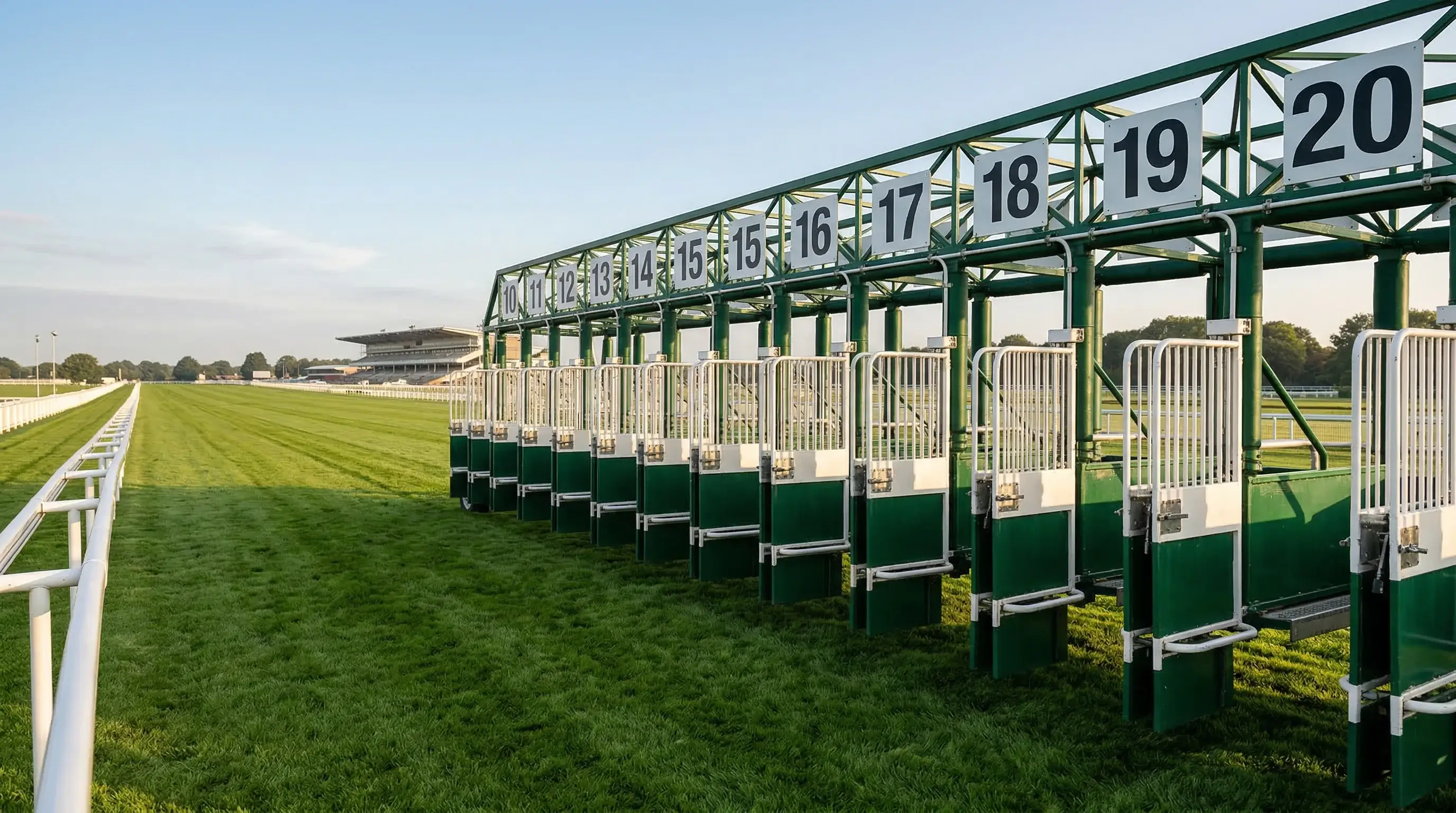
Across the decade from 2015 to 2024, seven of nine Lincoln winners were drawn between stalls 10 and 20, representing 78% of victors. That concentration suggests systematic advantage for higher-numbered draws, particularly when fields approach maximum capacity. The most successful individual stalls over fifteen years—3, 10, and 12—have each produced two winners, though sample sizes remain small enough that specific stall obsession risks overfitting.
The pattern makes sense when considering how jockeys navigate Doncaster's straight course. Higher draws tend toward the stands side, where ground often rides faster, particularly after winter waterlogging drains more quickly from the slight camber. Lower draws push horses toward the far rail, where ground can cut up more readily in spring conditions. These differences matter most when going is described as soft or good to soft—precisely the conditions Lincoln day regularly delivers.
Ground Conditions and Draw Interaction
The relationship between draw and ground deserves closer attention. On genuinely soft going, stands-side runners—those from higher stalls—typically enjoy better footing. The natural camber of Doncaster's track encourages drainage toward the stands side, leaving far-side runners to cope with deeper, more testing ground. Punters should adjust draw assessments according to forecast conditions rather than applying static bias assumptions.
When ground rides good to firm, draw bias largely disappears. The Lincoln's record time of 1:36.51, set by Expresso Star in 2009 on good to firm ground, came from stall 3—a low draw that proved no impediment on fast surfaces. The interaction between ground and draw means flexible thinking: check conditions, assess forecasts, then weight draw accordingly rather than mechanically favouring high numbers.
Field Size and Draw Amplification
Field size amplifies draw effects. In maximum-capacity Lincolns, runners from low draws can find themselves isolated on the far rail, unable to benefit from the pace created by mid-field and stands-side groups. When the race develops with clear sides, being on the wrong one becomes a significant disadvantage that pure ability cannot overcome.
Smaller fields—though rare in Lincolns—reduce draw impact. With fifteen runners, jockeys have options to manoeuvre across the course early, negating positional disadvantage. With twenty-two runners, that flexibility evaporates. Punters should consider declared field size when assessing how much weight to place on draw analysis.
Tactical Implications for Running Styles
Hold-up horses face different draw considerations than front-runners. A horse requiring cover and a late challenge benefits from high draws that place them amid the main body of runners, able to track pace without expending early energy. Front-runners from low draws may find themselves isolated on the far side, setting their own pace without assistance, a scenario that can lead to either splendid isolation or lonely defeat.
The pace bias analysis at Doncaster suggests the track remains fundamentally fair, with hold-up horses not structurally disadvantaged provided they secure sensible positions early. But that "provided" caveat matters: securing sensible positions from poor draws in large fields demands either exceptional early speed or jockey skill that cannot be assumed.
Favour runners drawn 10-20 when ground is soft or good to soft. On faster ground, draw significance diminishes. In maximum-field Lincolns, discount low draws more heavily than in smaller renewals.
Lincoln Handicap 2026: Early Market and Key Contenders
As March approaches and the 2026 flat season prepares to launch, ante-post markets for the Lincoln are beginning to take shape. Early pricing reflects a combination of last season's form, winter stable reports, and market speculation about which trainers are pointing their handicappers at Town Moor. The dynamics of Lincoln ante-post betting reward attentive punters willing to take positions before the field crystallises.
Trainers to Track
William Haggas enters the 2026 Lincoln as the undisputed master of this race. His five victories—High Low in 1992, Very Wise in 2007, Penitent in 2010, Addeybb in 2018, and Godwinson in 2025—demonstrate sustained expertise in preparing horses for early-season handicap targets. The Newmarket yard's approach to Lincoln candidates follows identifiable patterns: horses with proven stamina at the trip, progressive profiles suggesting untapped improvement, and ratings that leave room for manoeuvre within the 94-102 sweet spot. Monitoring Haggas entries and stable tour comments offers genuine informational advantage.
Other yards merit attention. George Boughey's Oliver Show finished second in 2025, beaten a nose, and connections mentioned Royal Ascot ambitions that suggest continued progression. "He's a seriously progressive horse. I thought he was at his ceiling, but he's still improving," Boughey noted after the 2025 renewal. Whether Oliver Show returns to Doncaster or pursues alternative targets, Boughey's operation clearly possesses Lincoln-calibre horses.
Market Movements and Value Windows
Ante-post Lincoln prices typically contract as entries emerge and trials provide form updates. The value window sits between initial market formation—when bookmakers set conservative prices to limit exposure—and the final weeks before declarations, when proven form hardens prices to realistic levels. Backing promising candidates in January or February, before their ratings become common knowledge, has historically produced better returns than waiting for race-week betting.
The risk, naturally, involves non-runners. Horses scratch from the Lincoln for varied reasons: training setbacks, unsuitable ground forecasts, alternative targets that emerge as more attractive. Ante-post punters must accept these realities. The premium available on early prices reflects this risk rather than market inefficiency—though punters who systematically identify underrated profiles may find that premium worthwhile.
What the Spring 2026 Calendar Suggests
The 2026 Lincoln falls on Saturday 28 March, maintaining its traditional slot as the flat season's opening weekend. Spring conditions at Doncaster typically deliver ground between good and good to soft, occasionally softer after wet winters. The 2025 renewal ran on good to soft, with Godwinson recording 1:40.09—significantly slower than the record pace on faster surfaces but representative of typical Lincoln conditions. Winning jockey Cieren Fallon described the tactical puzzle: "The race panned out perfectly, we were drawn on the wrong side but I was able to tuck in, I got a lot of cover, they went hard and with the strong headwind I was able to pick up when I wanted and he was tough," Fallon noted after the victory.
Early-season fitness remains the critical unknown variable. Horses emerging from winter breaks require sufficient work to peak on the day, but overtrained candidates risk falling flat when freshness matters. Trainers with Lincoln pedigrees understand this balance; those chasing their first Lincoln victory may misjudge the preparation required. Market positioning should consider trainer experience alongside form analysis.
Track William Haggas entries closely as the 2026 Lincoln approaches. Consider ante-post positions before February when prices remain generous, accepting non-runner risk as the cost of accessing value.
Betting Strategies: Ante-Post, Each-Way and Value Plays
Intelligent Lincoln betting requires strategic selection of both horses and bet types. The race's characteristics—competitive handicap format, large fields, favourite unreliability—create specific opportunities that differ from Group-race betting or smaller-field handicaps. Understanding which strategies suit the Lincoln, and when to deploy them, separates profitable punters from recreational ones.
The Each-Way Imperative
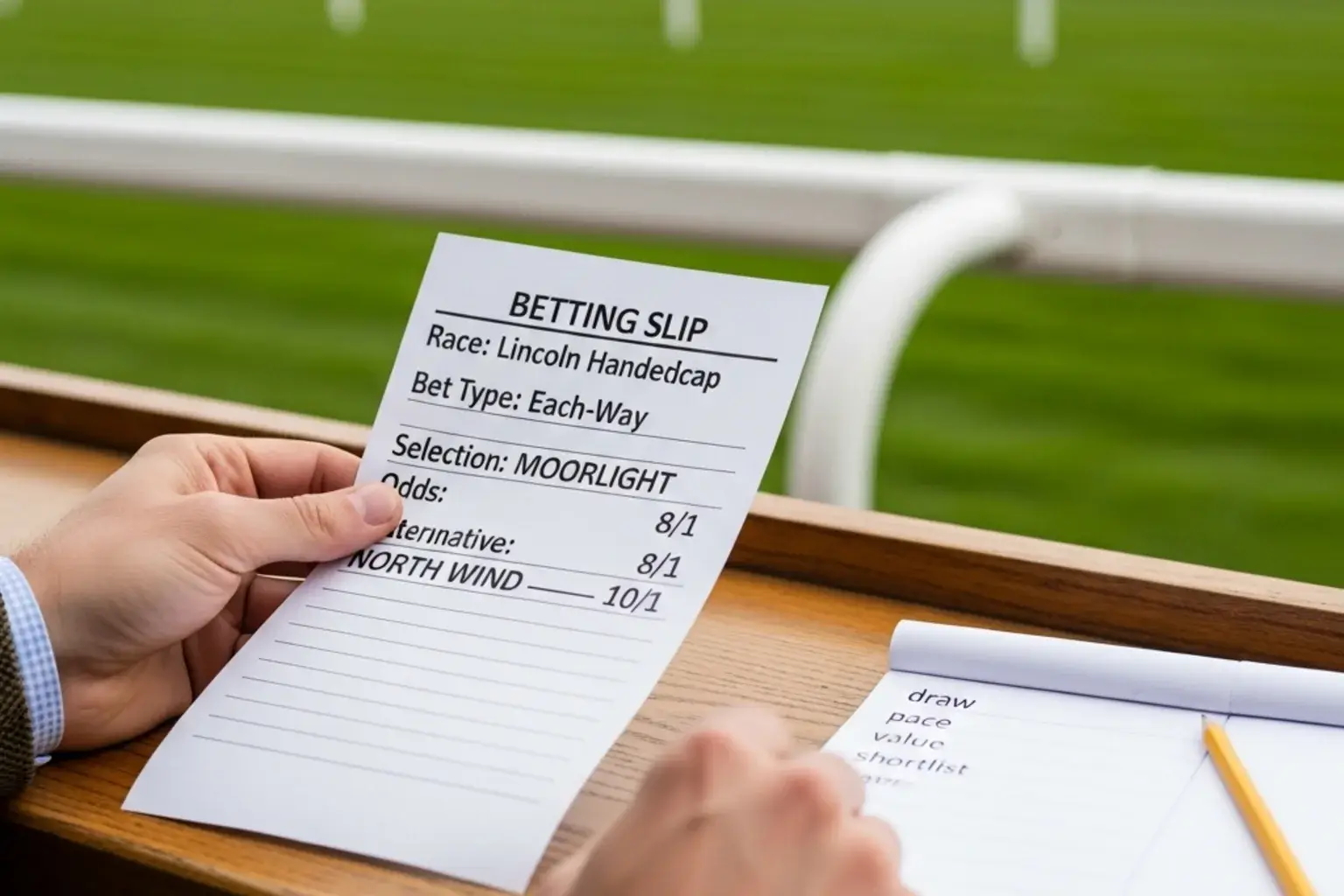
Each-way betting dominates sensible Lincoln wagering. With fields typically exceeding sixteen runners, bookmakers offer place terms paying one quarter of the odds for four finishing positions. Some extend to five places or offer insurance for fifth-place finishes through promotional terms. This creates mathematics that favour punters backing runners at odds between 8/1 and 20/1.
Consider the calculation: a £10 each-way bet on a 14/1 shot costs £20 total (£10 win, £10 place). If the horse finishes second through fourth, the place return is £45 (£10 stake plus £35 at quarter odds of 3.5/1), yielding a £25 profit despite not winning. This cushion makes each-way betting particularly suitable for races where favourites underperform and outsiders regularly place. The Lincoln fits perfectly.
Seven of the last eleven Lincoln winners started at 12/1 or longer, and three recent winners returned between 18/1 and 33/1. Each-way backers at these prices capture significant returns even when their selection finishes second or third—a realistic outcome in competitive handicaps where multiple contenders possess winning credentials.
Ante-Post Timing
Ante-post markets offer value premiums but carry non-runner risk. The timing of ante-post Lincoln bets significantly affects expected returns. Too early, and information is scarce—horses may not yet hold entries, trainers may not have committed to the race, and ratings from autumn campaigns may have shifted. Too late, and the value window closes as form becomes public knowledge.
The optimal window typically falls between late January and mid-February. By this point, entries for major spring handicaps are taking shape, stable reports provide fitness updates, and ratings are largely settled barring dramatic reassessments. Prices available during this window often exceed race-day equivalents by 30-40%, compensation for the non-runner risk that ante-post bettors accept.
Managing non-runner exposure requires either accepting occasional total losses or employing stake-recycling strategies. Some punters allocate specific ante-post budgets, treating scratched horses as part of expected variance rather than catastrophic loss. Others limit ante-post exposure to horses whose connections publicly commit to Lincoln targets, reducing (though not eliminating) withdrawal risk.
Identifying Genuine Value
Value in Lincoln betting emerges where odds exceed implied probability based on systematic analysis. Applying the trends filters—age 4-5, weight 8st 12lbs to 9st 4lbs, rating 94-102, draw position suited to expected ground—narrows the field significantly. Horses meeting multiple criteria at prices of 12/1 or higher represent potential value, provided their form profile suggests competitive credentials.
The market's tendency to overbet recognisable names and trainer reputations creates opportunities for systematic punters. Only one of the last eleven favourites won, meaning the betting public consistently misprices Lincoln contenders. Fading popular sentiment while applying data-driven filters positions punters against the crowd—a profitable stance in this specific race.
Managing Expectations and Variance
Lincoln betting, like all competitive handicap wagering, involves significant variance. Losing runs are inevitable even with sound methodology. Staking discipline matters: level stakes or proportional betting protect bankrolls against the sequences of losses that handicap betting produces. Chasing losses by increasing stakes after unsuccessful Lincolns compounds natural variance into actual damage.
The numbers don't lie, but neither do they guarantee individual outcomes. A perfectly selected Lincoln candidate can encounter traffic problems, suffer interference, or simply find one or two rivals faster on the day. Process orientation—selecting sensibly, staking appropriately, accepting results—produces better long-term outcomes than outcome fixation on any single renewal.
Prioritise each-way betting at 10/1 to 20/1 on horses meeting multiple trend criteria. Consider ante-post positions in late January for value access, and maintain level stakes to manage inevitable variance.
The Spring Double: Lincoln Meets Grand National
The Spring Double represents British racing nostalgia in betting form. Combining Lincoln Handicap and Grand National selections into a single wager, this punt once commanded significant attention from bookmakers and punters during mid-century racing. The tradition has faded from prominence—separate betting markets and modern wagering options have fragmented what was once a focused annual flutter—but the Spring Double retains appeal for those seeking seasonal romance alongside their racing analysis.
The mathematics of the Spring Double deserve realistic assessment. Combining two competitive handicaps, each won by outsiders more often than favourites, creates multiplication of already slim probabilities. A 12/1 Lincoln selection combined with a 20/1 Grand National pick returns 272/1 for a double—attractive on paper, improbable in practice. The allure lies in the accumulator effect: small stakes producing headline returns if both legs deliver.
Historical Context
Dave Dick remains the only jockey to complete both legs of the Spring Double, achieving the feat in 1956. That solitary success across decades of racing underscores the difficulty involved. Different disciplines, different horse profiles, different track demands—the Lincoln's flat mile and Aintree's jumping marathon share little except calendar proximity.
The Racing Post's tipster panel observed that "the changing nature of the Grand National means it's more like a cross-country event than the chaotic race we once knew." Modern safety modifications have altered Aintree's challenge, potentially making completion more predictable—though whether this increases or decreases double viability remains debatable. Enhanced National odds may compress compared to historic extremes, but Lincoln odds remain volatile.
Modern Approach to Spring Double Betting
Punters constructing 2026 Spring Doubles face decisions about stake allocation and leg selection. Some favour backing Lincoln selections win-only while applying each-way terms to National choices, recognising the jumping race's greater unpredictability. Others reverse this logic, treating the Lincoln's competitive handicap format as the more volatile leg. Neither approach is definitively correct; both reflect legitimate assessments of relative uncertainty.
Enhanced odds promotions occasionally boost Spring Double returns. Bookmakers seeking publicity attach promotional prices to specific combinations, though terms and conditions require careful reading. Such offers can add meaningful value when selections align, but chasing promotional prices rather than genuine selections typically produces poor outcomes.
No horse has ever won both the Lincoln Handicap and Grand National, and given the different skillsets required—flat speed versus jumping stamina and nerve—none likely ever will. The Spring Double celebrates connection, not crossover.
Frequently Asked Questions
Does draw really matter in the Lincoln Handicap?
Draw matters significantly, though its impact varies with ground conditions. Seven of nine recent winners were drawn between stalls 10 and 20, suggesting high draws confer meaningful advantage. This effect intensifies on softer ground, where the stands side typically offers better footing. On good to firm surfaces, draw bias largely disappears. Punters should assess expected ground conditions before weighting draw in their analysis—mechanical favouring of high numbers regardless of going oversimplifies the relationship.
What is the Spring Double and is it worth betting?
The Spring Double combines Lincoln Handicap and Grand National selections into a single accumulator bet. Once a major betting tradition, it has faded from prominence as wagering options diversified. The mathematics are challenging: combining two competitive handicaps produces long odds but low strike rates. Dave Dick remains the only jockey to win both races, achieving the feat in 1956. Modern punters treat the Spring Double as recreational rather than strategic—a small-stake flutter for seasonal entertainment rather than serious value hunting.
Do horses perform better on soft ground in the Lincoln?
Ground preference correlates with Lincoln success, though the relationship is more nuanced than simple soft-ground advantage. The race typically runs on good to soft conditions, reflecting March weather at Doncaster. Horses with proven soft-ground form often outperform those whose profiles suggest faster ground preference. However, the record time of 1:36.51 was set on good to firm, demonstrating that class can overcome any surface. The practical guidance: favour horses whose form reads well on expected ground conditions rather than assuming soft ground automatically benefits all contenders equally.
Lincoln Handicap Past Results
A decade of Lincoln results reveals the trends in action. The table below shows winners from 2015 through 2025, including trainer, jockey, age, weight, draw, and starting price. These outcomes form the data foundation for the analytical patterns discussed throughout this guide.
| Year | Winner | Trainer | Jockey | Age | Weight | Draw | SP |
|---|---|---|---|---|---|---|---|
| 2025 | Godwinson | W. Haggas | C. Fallon | 5 | 9st 4lb | 3 | 15/2 |
| 2024 | Mr Professor | D. Ffrench Davis | D. Egan | 5 | 8st 8lb | 2 | 33/1 |
| 2023 | Migration | D. Menuisier | B. De La Sayette | 7 | 9st 4lb | 17 | 18/1 |
| 2022 | Johan | M. Channon | S. de Sousa | 5 | 9st 4lb | 4 | 28/1 |
| 2021 | Haqeeqy | J. & T. Gosden | B. De La Sayette | 4 | 9st 5lb | 10 | 9/2 |
| 2020 | No race (COVID-19) | ||||||
| 2019 | Auxerre | C. Appleby | J. Crowley | 4 | 9st 3lb | 17 | 5/2 |
| 2018 | Addeybb | W. Haggas | J. Doyle | 4 | 9st 4lb | 10 | 5/1 |
| 2017 | Bravery | D. O'Meara | D. Tudhope | 5 | 8st 11lb | 18 | 20/1 |
| 2016 | Secret Brief | C. Appleby | W. Buick | 4 | 8st 13lb | 16 | 12/1 |
| 2015 | Gabrial | R. Fahey | T. Hamilton | 5 | 9st 5lb | 3 | 12/1 |
Patterns emerge clearly from this dataset. William Haggas appears twice as winning trainer, with Addeybb (2018) and Godwinson (2025) exemplifying the four-to-five-year-old profile at weights within the optimal range. The majority of winners started at double-digit odds, with only Addeybb (2018), Auxerre (2019) and Godwinson (2025) winning as single-figure prices. Draw positions cluster toward the middle and upper stalls, with Migration's stall 17 and Haqeeqy's stall 10 demonstrating stands-side advantage.
Jockey selection shows variety rather than domination. Unlike some races where specific riders accumulate wins, the Lincoln spreads its favours. This reflects the handicap nature: victory depends more on horse selection and preparation than individual jockey brilliance, though the quality of ride matters at the margins in competitive finishes like Godwinson's nose victory in 2025.