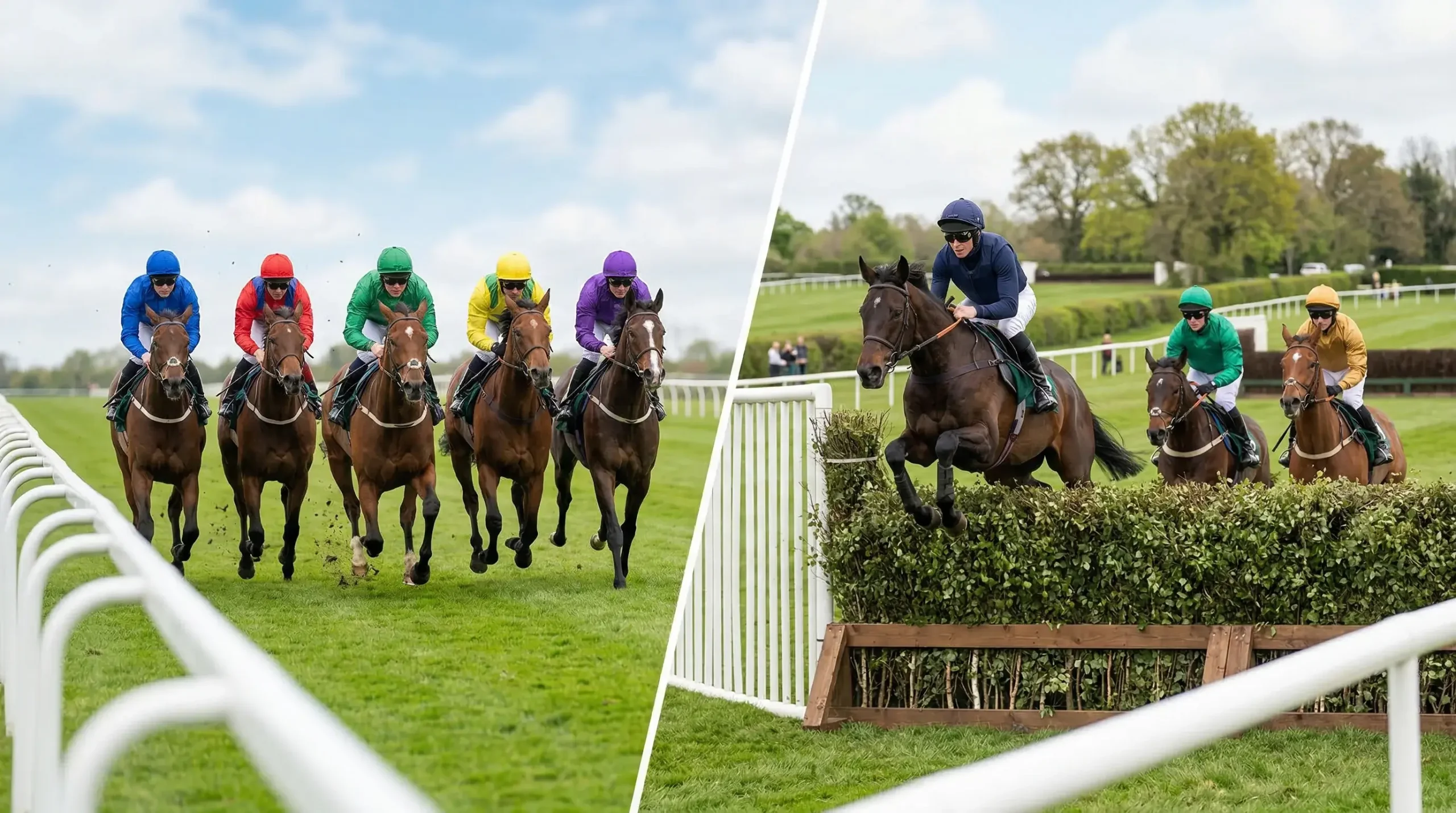
The Spring Double links two of British racing’s most celebrated events: the Lincoln Handicap and the Grand National. Separated by two weeks in the calendar, these races offer contrasting challenges that have captivated punters for generations. Combining them in a single bet creates the potential for substantial returns from modest stakes.
The concept is straightforward. A double requires both selections to win. The odds multiply together, meaning a 10/1 Lincoln selection combined with a 20/1 Grand National pick returns odds of 230/1. The appeal is obvious, though the difficulty of landing both legs explains why successful Spring Doubles remain rare achievements.
Understanding the Spring Double’s history, what makes it challenging, and how modern punters approach this traditional bet provides context for anyone considering combining these two iconic races. The bet carries nostalgia but also genuine strategic considerations that can inform selection decisions.
What Is the Spring Double?
The Spring Double is a bet combining the Lincoln Handicap winner with the Grand National winner. Both races must be won for the bet to pay out. If either selection fails, the entire stake is lost. This all-or-nothing structure creates the dramatic potential that has made the bet a traditional punting challenge.
The two races could hardly be more different. The Lincoln is a flat handicap over one mile on Doncaster’s straight track. The Grand National is a steeplechase over four miles and two furlongs at Aintree, featuring thirty fences including the infamous Becher’s Brook and Chair. Different codes, different distances, different demands. Yet they share one characteristic: large fields where outsiders regularly triumph.
The Lincoln typically runs on the final Saturday of March, with the Grand National following on the second Saturday of April. This two-week gap allows punters to reconsider their National selection after the Lincoln result, though ante-post bets would already be committed. Some prefer to wait until Lincoln Day to place the double, using the morning to finalise both selections.
A Spring Double differs from a standard double in the cultural weight it carries. The combination has existed as a named betting tradition for over a century, featured in newspapers and discussed in pubs across the country when both races approach. It represents a specific type of optimism: the belief that two difficult events can both fall in your favour.
The mathematics work against the bet succeeding. Multiplying two low-probability outcomes creates a very low joint probability. Yet the returns when successful can be life-changing, which sustains interest despite the odds. The Spring Double remains a small-stakes speculation for most punters rather than a serious investment, but its romance persists.
Historical Significance
The Spring Double emerged as a concept when both the Lincoln and Grand National occupied positions of unrivalled prominence in the racing calendar. Before television fragmented attention across multiple meetings, these races commanded nationwide focus. The Lincoln opened the flat season; the Grand National served as its steeplechasing equivalent. Combining them felt natural.
In the early twentieth century, newspapers ran extensive coverage of Spring Double betting, publishing odds and tipster selections for the combination. Factories and offices organised sweepstakes around the bet. It became embedded in British sporting culture in ways that have faded but not entirely disappeared.
The bet’s difficulty contributed to its appeal. No one expected to win regularly, which removed pressure and allowed participation for entertainment rather than profit. The shared experience of hoping for lightning to strike twice created communal excitement that extended beyond typical gambling.
Modern racing has diluted the Spring Double’s prominence. More televised meetings, more betting markets, and more distractions compete for attention. The Lincoln no longer monopolises flat racing’s opening weekend, and the Grand National faces competition from other major spring jumps meetings. Yet bookmakers still promote the combination, recognising its nostalgic appeal.
The connection between Lincoln horses and Grand National runners remains tangential. Seventy years have passed since an Irish-trained horse won the Lincoln, according to historical records. The two races draw from entirely different populations of horses, trained by different specialists for different purposes. The Spring Double is not a form-based bet but a speculative combination of two independent events.
Dave Dick: The Only Double Winner
Only one jockey has ever won both legs of the Spring Double in the same year: Dave Dick in 1956. He rode Donatello II to victory in the Lincoln Handicap, then partnered ESB to win the Grand National two weeks later. This unique achievement has stood for nearly seventy years, underlining how rarely the two races align for a single individual, let alone a single bet.
Dick’s double came in an era when jockeys rode across both codes more freely than today’s specialists typically do. The modern segregation between flat and jumps jockeys makes his feat almost impossible to replicate. A contemporary jockey would need to be retained by trainers active in both spheres and fortunate enough to be on the right horse in each race.
The ESB victory in the 1956 Grand National came in controversial circumstances, as Devon Loch famously collapsed on the run-in when victory seemed assured. Dick inherited the race rather than winning it in conventional fashion. This detail adds a layer of fortune to his achievement, suggesting that even landing the Spring Double required elements beyond skill and judgement.
For punters rather than jockeys, no records exist of notable Spring Double winners, though surely some have occurred. The anonymous nature of successful gambling means we know more about who rode the winners than who backed them. The Dave Dick precedent serves mainly to illustrate the combination’s difficulty rather than provide a template for success.
Modern Spring Double Strategy
If approaching the Spring Double strategically rather than sentimentally, several considerations apply. First, stake sizing must reflect the extremely low probability of success. This is not a bet to commit serious money to. A small speculative stake, the loss of which would not cause distress, represents the appropriate level of involvement.
Selection philosophy for the double might emphasise outsiders in both races. Since both the Lincoln and Grand National routinely see long-priced winners, selecting the favourite in each represents paying short odds on horses with statistically modest strike rates. Combining two outsiders maximises the potential return while accepting the near-certainty of losing.
Some punters prefer to place their Spring Double as two singles rather than a combined bet, taking the Lincoln winner’s odds and rolling the return onto their National selection. This approach allows adjustment based on the Lincoln outcome and avoids committing to a National selection before seeing how Lincoln form correlates with the conditions two weeks later.
The counter-argument favours placing the double ante-post to capture the best prices on both legs. Odds typically shorten as the races approach, meaning early commitment yields better value if successful. The risk of non-runners and changing circumstances must be weighed against the potential for superior returns.
Combining Lincoln form angles with National form angles creates a framework for selection. A Lincoln runner aged four or five, carrying weight in the winning zone, might be paired with a National runner who has proven stamina and Aintree experience. These filters reduce the field to manageable proportions without guaranteeing success.
Enhanced Odds Offers
Bookmakers recognise the Spring Double’s promotional appeal and offer enhanced odds on the combination during the Lincoln period. These promotions typically boost the double odds by a percentage or pay out as enhanced singles if only one leg wins. The specifics vary between operators and change annually, making comparison essential.
Enhanced odds offers carry terms and conditions that merit attention. Maximum stakes usually apply, meaning large bets cannot access the enhanced price. Winnings may be paid as free bets rather than cash, restricting how they can be withdrawn. Understanding these conditions prevents disappointment if the bet wins.
Insurance promotions offer a different angle, refunding stakes if one leg wins but the other loses. This structure reduces variance by guaranteeing a return if half the bet succeeds. For punters who want Spring Double exposure without the all-or-nothing risk, insurance offers can soften the experience.
New customer promotions around Lincoln time often feature the Spring Double, using enhanced odds as an acquisition tool. Punters opening new accounts specifically to access these offers can extract value, though the administrative effort of managing multiple accounts must be weighed against the potential gain.
The wisest approach compares available offers across bookmakers before committing. A 10% boost on the double odds may matter less than better underlying prices on the individual selections. Sometimes the mathematically optimal strategy is to ignore enhanced offers and simply take the best standard prices available.
The Spring Double connects two great races in a single bet that captures the imagination while challenging the bankroll. Its history, difficulty, and potential returns make it a perennial feature of the British racing spring. Whether approached as a nostalgic flutter or a calculated speculation, the Spring Double offers a unique way to engage with the Lincoln Handicap and Grand National.