
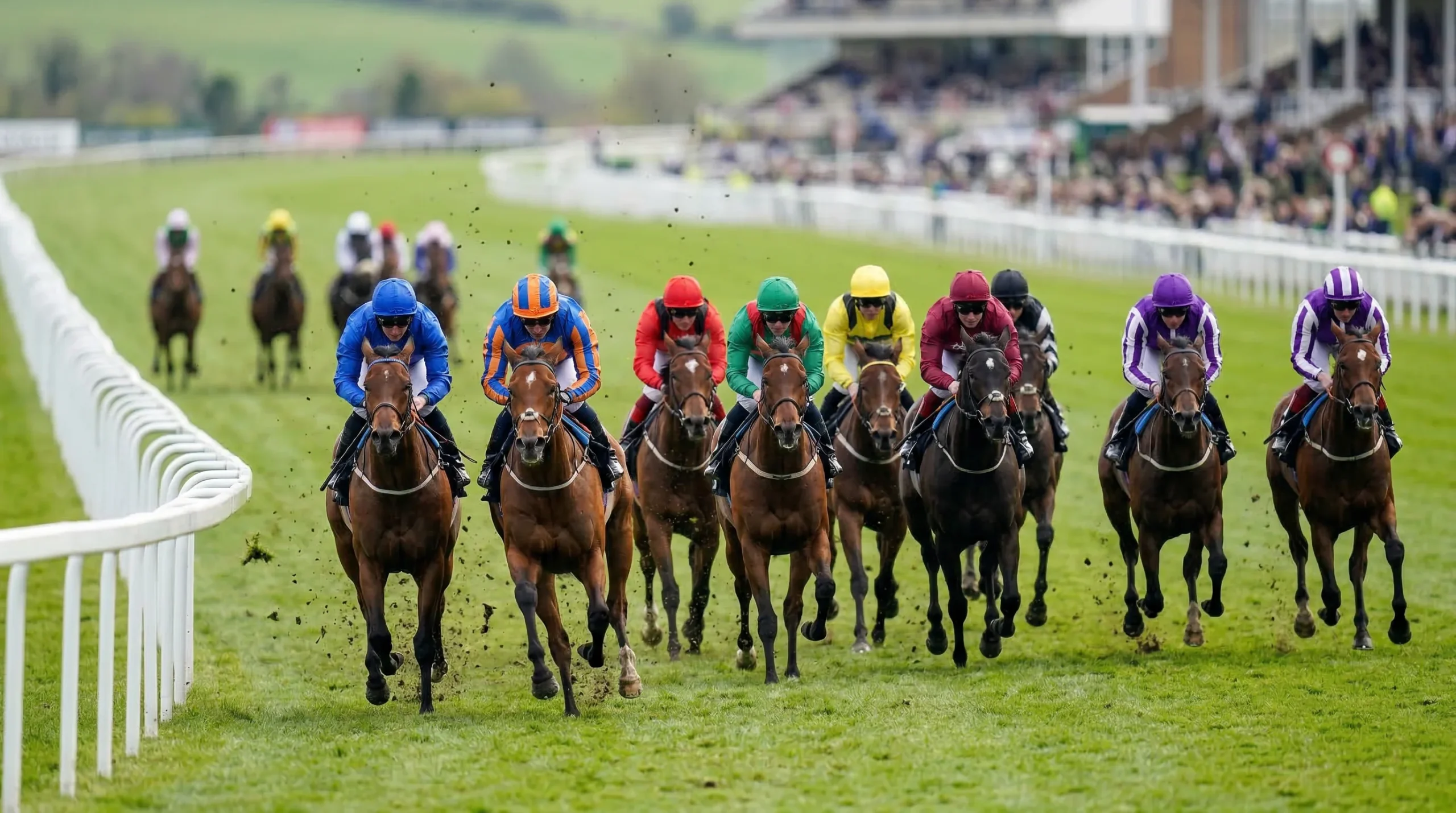
The Lincoln Handicap unfolds across a straight mile with twenty or more horses charging toward the winning post. How the race is run, whether at a furious early pace or a more tactical crawl, shapes which running styles prevail. Understanding pace dynamics helps punters identify horses whose preferred approach matches the likely race scenario.
Pace analysis in big-field handicaps differs from smaller races. Multiple horses with front-running tendencies create competition for the early lead, often producing a strong gallop that favours those held up behind. Alternatively, a field with few natural pace-makers can result in a tactical affair where those racing prominently steal an advantage.
Doncaster’s straight mile has its own characteristics that interact with pace. The track is generally considered fair, not systematically favouring either front-runners or closers. Yet specific conditions on Lincoln day, including the ground and draw, influence how pace affects outcomes. This guide examines how punters can factor running style into their Lincoln selections.
Pace in Big-Field Handicaps
Large fields create pace dynamics that smaller races lack. When twenty horses break from the stalls, several will attempt to establish prominent positions, competing for space near the front. This competition typically produces a strong early gallop as multiple jockeys commit to aggressive tactics from the start.
A fast pace suits horses who settle in behind and finish strongly. When leaders burn energy battling for position, they often tire in the closing stages, allowing closers to sweep past. The Lincoln’s straight mile provides no respite from the gallop. There are no bends where horses can momentarily ease the pressure, meaning the pace set early tends to be sustained throughout.
Conversely, if no horse wants to lead, the field can bunch together in a slowly-run race. These tactical affairs favour horses racing prominently, who can quicken from an already forward position without needing to navigate through traffic. Predicting which scenario will unfold requires examining the front-running tendencies of the declared runners.
Jockey bookings sometimes signal intended tactics. A front-running specialist hired to ride a versatile horse suggests connections plan to make the running. A jockey known for patient rides on a horse with previous form from the front indicates a potential change in approach. These details, available from race cards and historical records, inform pace predictions.
The weight horses carry also affects pace. Heavier-weighted horses may struggle to sustain fast early fractions, while lighter-weighted runners find the exertion less taxing. In a truly-run Lincoln, the weight spread across the field means some horses will find the pace more demanding than others, independent of their natural running style.
Front-Runners at Doncaster
Doncaster’s straight mile does not systematically disadvantage front-runners. Analysis by Geegeez confirms that the track rides fair, with hold-up horses not at a structural disadvantage but equally with no built-in bias against prominent racers. Success from the front depends more on the specific race circumstances than on track characteristics.
Front-runners in the Lincoln must contend with multiple rivals who share their inclination to lead. When three or four horses contest the early lead, the pace intensifies beyond what any single front-runner would set alone. This competition often proves their undoing, as energy spent battling for position leaves nothing for the finish.
A lone front-runner faces different dynamics. Without pressure from rivals, it can dictate the tempo and potentially steal the race by establishing an unassailable lead. The Lincoln’s large field makes this scenario rare, but when it occurs, a front-runner with tactical speed can prove difficult to catch.
Draw position affects front-running prospects. A horse drawn wide may need to use energy crossing to the rail or favoured ground before even beginning to establish a lead. Those drawn handily toward the stands rail when that side is favoured can lead naturally without expending extra effort.
Recent Lincoln winners have come from various positions in running, though none have made all the running in the purest sense. Winners typically race prominently in the first half before quickening in the closing stages, suggesting that pure front-running is less successful than tracking the pace and striking late.
Hold-Up Horses and Draw
Hold-up horses need clear runs in the closing stages to deliver their finishing effort. In a twenty-runner field racing across a wide straight mile, finding room can prove challenging. Traffic problems have undone many fancied runners who were still traveling well but could not find a gap when the race began in earnest.
Cieren Fallon, winning aboard Godwinson in 2025, described his tactical approach in the race: “The race panned out perfectly, we were drawn on the wrong side but I was able to tuck in, I got a lot of cover, they went hard and with the strong headwind I was able to pick up when I wanted.” This illustrates how hold-up tactics can succeed even from an unfavourable draw when conditions suit.
The draw interacts with hold-up tactics in complex ways. A horse drawn on the favoured side can drop in behind pace-setters and save ground while enjoying better footing. One drawn on the unfavoured side must either race wide to reach better ground or accept inferior conditions while hoping for a gap to appear.
Ground conditions influence how much room closers need. On soft ground, horses spread across the track seeking better footing, creating more gaps than on fast ground where the field tends to compress. Hold-up horses historically enjoy better results when the going has some ease, allowing them to find running room that would not exist on a tighter, faster surface.
Weather adds another variable. A headwind into the straight benefits closers by making pace-setting more demanding. A tailwind assists front-runners by reducing the effort required to maintain speed. Checking the forecast and wind direction provides information that can tip the balance between backing front-runners or closers.
Predicting the Pace
Predicting Lincoln pace requires examining each declared runner’s historical running style. Racing databases record where horses typically position themselves in their races, allowing identification of confirmed front-runners, mid-division racers, and closers. Counting how many natural pace-makers are in the field provides a foundation for pace prediction.
Look beyond simple categorisation to recent patterns. A horse who has been held up lately might return to front-running tactics that worked earlier in its career. Trainer switches or changes in trip can signal tactical shifts that historical data would not capture. Checking recent quotes from connections sometimes reveals intended approaches.
The Lincoln’s strength of pace often catches out horses whose form has come in slowly-run races. A horse winning from the front in a six-runner handicap may struggle when twelve other horses contest the early lead. Assessing how a horse’s previous race conditions compare to the likely Lincoln scenario helps identify those who will handle the upgrade and those who will not.
The stands-side advantage on soft ground creates a secondary consideration. When that side is favoured, horses drawn low face a choice between their natural running style and getting to the better ground. Front-runners from low draws must decide whether to cross the field, expending energy, or accept inferior conditions. This decision, made in the first furlong, can determine outcomes.
Weather forecasts finalize pace predictions on race morning. A headwind into the straight intensifies the importance of strong closing tactics. A crosswind may push horses toward one side of the track. Rain arriving before the race can transform the going and shift which running styles are likely to prevail.
Pace analysis adds a dimension to Lincoln selection that pure form study misses. Identifying which running styles will suit the expected race dynamics helps narrow the field to horses whose tactical profiles match the scenario. Combined with draw analysis and going assessment, pace prediction contributes to a comprehensive approach to solving the Lincoln puzzle.