
Britain and Ireland share deep connections in horse racing, with horses, trainers, and jockeys moving freely between the two jurisdictions. The Lincoln Handicap at Doncaster and the Irish Lincoln at the Curragh represent parallel traditions, both serving as early-season handicap targets for flat trainers. Understanding the relationship between these races offers perspective on both events.
The Irish Lincoln typically runs in late March or early April at the Curragh, Ireland’s premier flat racecourse. Like its British counterpart, it attracts large fields of handicappers seeking an early-season prize. The two races share a name and a purpose but have developed distinct characteristics over the decades.
For punters interested in both events, examining how form transfers between the races, why Irish trainers rarely target the British Lincoln, and whether combining selections in a double offers value provides a framework for approaching both races with greater understanding.
What Is the Irish Lincoln?
The Irish Lincoln is a heritage handicap run at the Curragh, typically over one mile on turf in the early weeks of the Irish flat season. Like the British Lincoln, it attracts a maximum field of runners seeking to begin their campaigns with a significant handicap victory. The race carries Group 3 status in Ireland’s racing hierarchy, reflecting its importance to the domestic calendar.
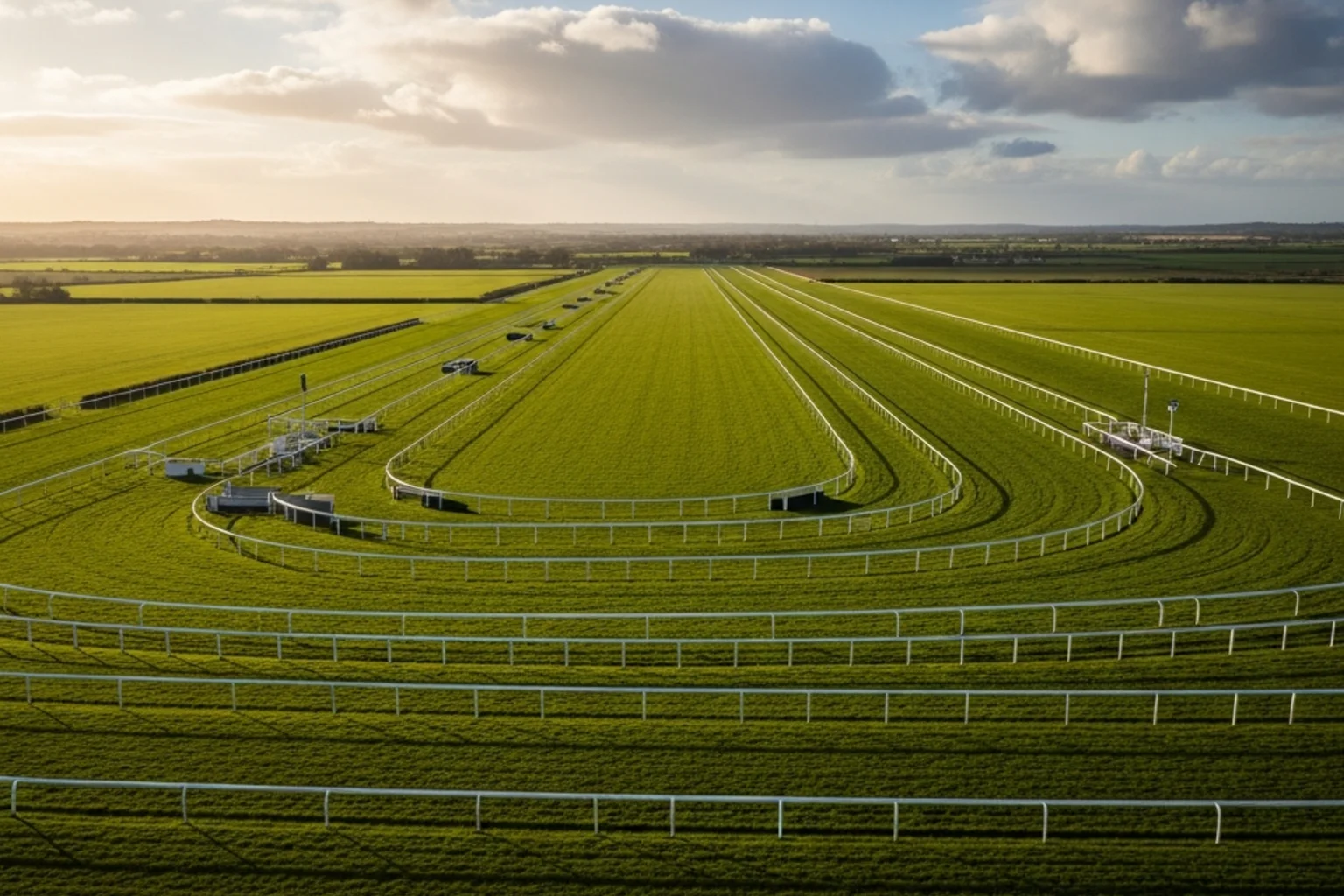
The Curragh’s straight mile differs from Doncaster’s in several respects. The Irish track features undulations that the flat Town Moor lacks, and Irish ground conditions often vary from those prevailing in Britain at the same time of year. These differences mean horses suited to one track may not automatically transfer their form to the other.
Irish trainers approach the Irish Lincoln much as British trainers approach the British version: as a specific target requiring dedicated preparation. The prize money, while substantial by Irish standards, does not match the British Lincoln’s purse, but the prestige of winning a recognised heritage handicap provides its own reward.
According to Irish racing records, the Curragh hosts some of Ireland’s most important flat races throughout the season, with the Irish Lincoln marking the beginning of a programme that culminates in the Irish Derby and other Classic events. The track’s significance makes Lincoln victory there a valued achievement.
Field sizes in the Irish Lincoln typically range from fifteen to twenty runners, similar to the British race. The competitive nature of both events reflects the difficulty of accurately handicapping horses at the start of a new season, when winter development and fitness uncertainties create opportunities for astute connections.
Decades Without an Irish Winner
The Lincoln Handicap has rarely attracted Irish-trained runners in the modern era, and victories by trainers from across the Irish Sea have been essentially non-existent. According to racing statistics, just three Irish-trained runners have taken their chance since 2014, finishing outside the places each time. The last foreign-trained winner was Nahar in 1954, trained in France by Alec Head, underscoring how domestic British trainers have dominated the race throughout the Doncaster era.
Several factors explain this remarkable absence. Travel logistics historically discouraged Irish trainers from targeting British spring handicaps when equivalent opportunities existed at home. The expense and complication of transporting horses across the Irish Sea for a single race made more sense for Group races with guaranteed prize money than for handicaps where qualification was not assured.
Handicap marks present another barrier. British and Irish handicappers operate independently, and a horse’s Irish rating may not translate directly to its British equivalent. An Irish horse entering the British Lincoln might find itself carrying more or less weight than its home form would suggest, creating uncertainty that discourages cross-channel raiders.
Ground preferences and preparation patterns differ between jurisdictions. Irish trainers prepare horses for Irish ground conditions and Irish racing calendars. The British Lincoln’s specific timing and Doncaster’s particular characteristics may not align with how Irish yards structure their early-season programmes.
The prolonged absence of Irish winners should not suggest Irish horses are incapable of winning the British Lincoln. Rather, it reflects strategic decisions by Irish trainers who see better opportunities closer to home. The historical record of 58 runners in the race’s largest field, set in 1948 at Lincoln Racecourse, shows the British Lincoln has always attracted primarily domestic entries.
Should an Irish trainer decide to target the British Lincoln specifically, the horse would need to satisfy multiple criteria: appropriate handicap mark, proven ability on British-style ground, and fitness timing aligned with late March rather than the Irish season’s slightly later start.
Form Lines Between Races
Despite the lack of direct Irish winners in the British Lincoln, form lines between the two racing jurisdictions exist. Horses sometimes compete in both countries during their careers, providing reference points for assessing cross-border form. A horse who ran well in Irish handicaps before transferring to a British yard brings form that can inform Lincoln assessment.
British horses occasionally run in Irish races and vice versa in Group and Listed company, establishing form comparisons at higher levels. These comparisons filter down to handicap assessments, helping handicappers in both jurisdictions calibrate their ratings against international standards.
Trainers who operate in both countries provide the most direct form links. A handful of trainers maintain strings in both Britain and Ireland, giving them firsthand knowledge of how form transfers between jurisdictions. Their runners in either Lincoln carry the advantage of preparation informed by cross-border experience.
Jockey bookings sometimes signal intention regarding cross-border runners. An Irish trainer booking a leading British jockey for the Lincoln suggests serious intent rather than speculative entry. These signals, observable in the days before declaration, indicate which Irish runners warrant genuine consideration.
The Irish Lincoln often takes place a week or two after the British version, allowing form from Doncaster to inform Curragh assessments. A horse who ran well at Doncaster before targeting the Curragh brings proven form on similar ground at a similar stage of the season. This sequencing benefits punters who follow both races.
Double Strategy Potential
Combining selections in both the British and Irish Lincolns creates a cross-border double that differs from the traditional Spring Double pairing with the Grand National. The two Lincoln races share characteristics that might make form analysis more transferable than comparing flat handicaps with steeplechases.
The timing of the two races, typically separated by one or two weeks, allows sequential rather than simultaneous assessment. Punters can place the British Lincoln selection first, observe the result, and then assess the Irish Lincoln field with fresh information about how early-season form is translating to results.
Both races favour similar horse profiles: progressive four and five-year-olds, horses with proven handicap form, and those prepared by trainers who understand early-season targets. Applying consistent selection criteria across both races provides a systematic approach that random selection cannot match.
The combined odds on a British-Irish Lincoln double offer substantial potential returns. Both races regularly produce winners at double-figure prices, meaning the combination can deliver significant payouts from modest stakes. The difficulty lies in finding two winners from competitive fields, but the reward justifies the challenge.
Bookmakers may offer specific promotions on the Lincoln combination, though these are less common than Spring Double offers. Checking available promotions around both race dates might uncover enhanced odds or insurance offers that add value to the double approach.
The British and Irish Lincolns represent parallel traditions that reward similar analytical approaches. The seventy-year absence of Irish winners from the British race reflects strategic choices rather than inability, while form connections between the jurisdictions provide reference points for those who follow both events. Understanding how these races relate enhances appreciation of each individual contest.
