

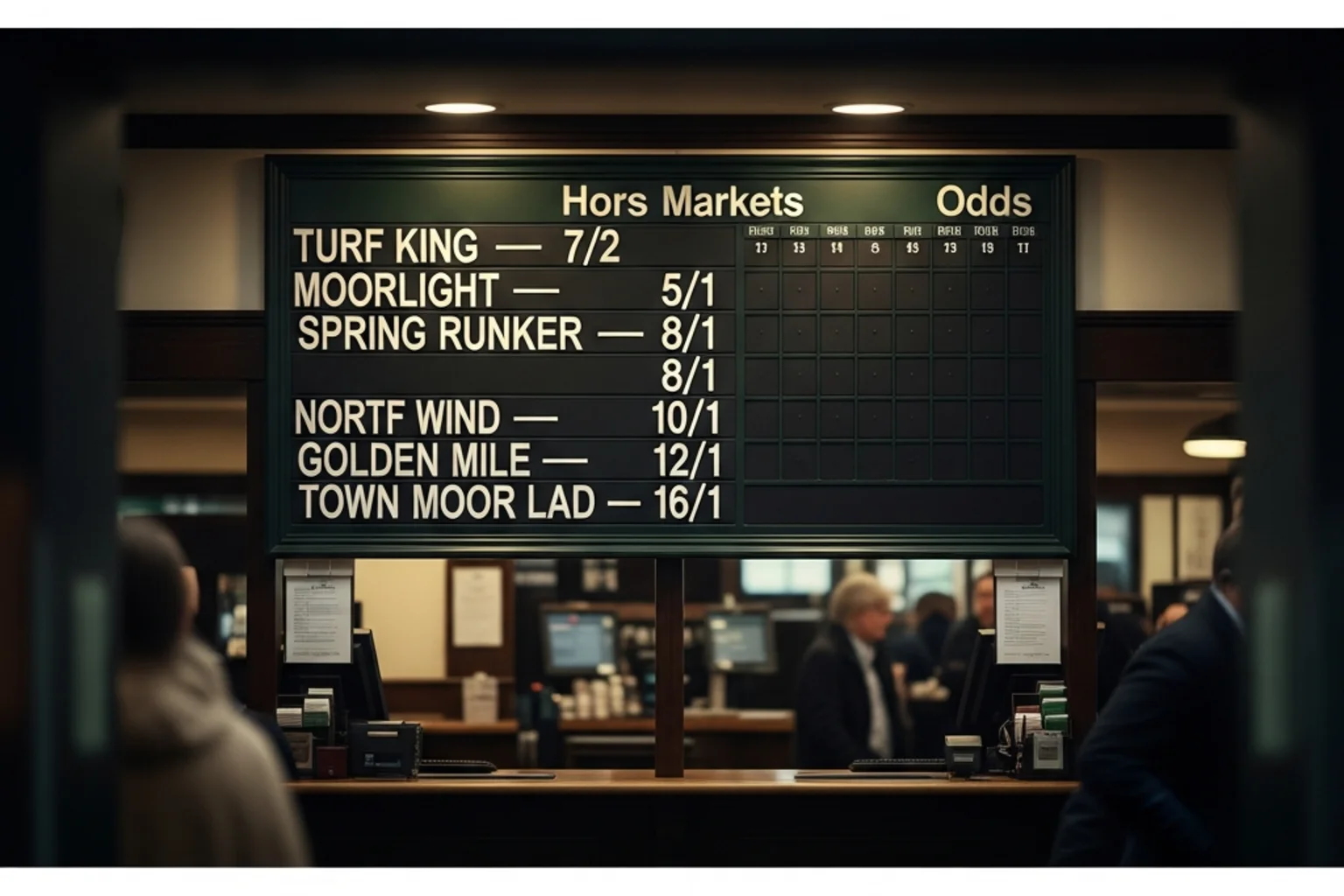
The Lincoln Handicap attracts betting interest across multiple market types. Beyond the straightforward win bet, punters can engage with place markets, forecast combinations, exotic wagers, and in-play opportunities. Each market type offers different risk-reward profiles suited to different betting objectives and bankroll sizes.
Global sports betting generated approximately $94 billion in gross gaming revenue in 2024, according to industry research. Horse racing, particularly major events like the Lincoln, contributes significantly to this total, with markets opening weeks before the race and activity intensifying as post time approaches.
Understanding the mechanics of different Lincoln markets helps punters choose appropriate bet types for their analysis and risk tolerance. This guide explains the main market options, their relative merits, and practical considerations for selecting where to place your Lincoln wagers.
Win and Place Markets
The win market represents the most straightforward Lincoln bet: selecting the horse that will cross the finish line first. Odds reflect the collective assessment of each horse’s winning probability, with shorter prices indicating higher perceived chances and longer prices suggesting the market views a horse as less likely to prevail.
Place betting pays out if your selection finishes within a specified number of positions, regardless of whether it wins. For the Lincoln’s large field, bookmakers typically pay four places at quarter odds, meaning a 20/1 selection would return 5/1 for a place finish in the first four. Some bookmakers offer enhanced place terms, paying five or even six places as promotional offers.
Each-way betting combines win and place bets in a single wager. A £10 each-way bet costs £20 total: £10 on the win and £10 on the place. If your selection wins, both portions pay out. If it places without winning, only the place portion returns. This structure suits punters who want some return from near-misses while maintaining exposure to the full win price.
The Lincoln’s competitive nature makes place betting particularly relevant. With favourites winning only 28% of the time over twenty-five years, many fancied runners finish in the places without winning. Each-way betting on horses at double-figure prices can prove profitable even with a modest win strike rate, as place dividends accumulate.
Place-only betting, available on betting exchanges, allows backing a horse to place without the win component. This reduces variance compared to each-way betting, as every placed finish returns rather than depending on wins to generate the majority of returns. The trade-off is lower potential returns from winning selections.
Forecast Betting
Forecast betting requires selecting both the winner and the second-place finisher in the correct order. The difficulty of predicting two horses’ exact finishing positions generates higher payouts than win betting alone, but the corresponding probability of success drops significantly.
Straight forecasts specify which horse finishes first and which finishes second. A reverse forecast covers both possible orders, effectively placing two straight forecasts and costing twice as much. The reverse forecast wins if your two selections fill the first two positions in either order.
Computer straight forecasts, offered by the Tote and some bookmakers, calculate dividends after the race based on actual betting patterns. These often differ from bookmaker forecast odds available before the race, sometimes favouring punters when popular horses fill the places and sometimes disadvantaging them when outsiders dominate.
The Lincoln’s unpredictability affects forecast viability. When favourites routinely disappoint and outsiders frequently win, predicting the first two becomes exceptionally challenging. Forecast dividends can reach astronomical levels when two unconsidered horses fill the frame, rewarding the rare punters who identified both.
Combination forecasts extend the concept by selecting multiple horses to fill specific positions. A forecast combining three horses to finish first and second creates six possible combinations, with any two of the three filling those positions generating a return. This approach increases the chance of success while reducing the return compared to a single straight forecast.
Tricast and Exotic Bets
Tricast betting extends forecasts to three horses, requiring you to predict the first, second, and third finishers in exact order. The additional position dramatically increases difficulty while generating even larger potential returns. Tricast dividends on competitive handicaps like the Lincoln can reach hundreds or thousands of times the stake.
Combination tricasts select multiple horses to fill the first three places in any order. Selecting four horses to finish in the first three creates twenty-four separate combinations, making the bet more expensive but significantly more likely to succeed than a single straight tricast.
In-play betting has grown substantially, now representing approximately 47% of online betting turnover according to industry research. The Lincoln offers in-play opportunities as the race unfolds, with odds changing rapidly as horses’ positions shift. In-play betting rewards quick judgement and the ability to read race dynamics in real time.
Betting without the favourite allows you to effectively exclude the market leader from your bet. If the favourite wins, your stake is returned. If any other horse wins, the bet settles at adjusted odds. This market suits punters who believe the favourite is overrated but cannot identify which specific outsider will prevail.
Match betting pairs two horses against each other, with the bet settling on which of the two finishes ahead regardless of their actual finishing positions. This market isolates two-horse comparisons from the broader field, useful when you have a strong view on relative merit but less confidence about overall winning chances.
Market Selection Tips
Match your market choice to your analysis strength. If you have strong conviction about a single horse winning, the win market maximises return on that view. If you believe several horses have genuine chances but cannot separate them, combination bets spread your exposure across multiple outcomes.
Consider variance in relation to bankroll. Win betting on outsiders produces irregular returns with long losing streaks punctuated by significant wins. Place betting and each-way betting smooth returns but limit upside. Your bankroll’s ability to withstand variance should influence market selection.
Compare odds across bookmakers before placing any bet. The competitive betting market means prices vary between operators, sometimes substantially. A few minutes spent checking odds comparison sites often identifies value that casual bettors miss by placing at the first price they see.
Use exchanges for lay betting when appropriate. If you believe the favourite will not win but cannot identify the winner, laying the favourite on an exchange profits from favourite failure without requiring you to pick the actual winner. This strategy aligns with the Lincoln’s historical pattern of favourite disappointment.
Exotic bets suit small stakes and big ambitions. The extremely low probability of landing a Lincoln tricast makes large stakes imprudent, but a small speculative bet on three outsiders to fill the first three positions costs little and occasionally returns life-changing sums.
Timing affects market selection. Ante-post markets suit those with strong early views who want to secure prices before they shorten. Race-day markets suit those who prefer to wait for final information about ground conditions, non-runners, and market moves before committing.
Track your results by market type to identify where your analysis produces the best returns. Some punters excel at picking winners but struggle with forecast combinations. Others find value in place betting that their win betting does not match. Understanding personal strengths guides future market selection.
The Lincoln Handicap supports diverse betting approaches through its range of available markets. Selecting appropriate market types, comparing prices across operators, and matching bet structures to individual analysis and risk tolerance creates a framework for engaging with the race intelligently. Understanding what each market offers helps punters extract maximum value from their Lincoln selections.
