
Ground conditions at Doncaster in late March can range from waterlogged to surprisingly quick, depending on the preceding weeks of weather. This variability makes going analysis essential for Lincoln Handicap punters. A horse that thrives on soft ground becomes a very different proposition when the track rides fast, and vice versa.
The Lincoln’s timing at the cusp of spring means ground conditions are inherently unpredictable. Winter rain may have saturated the course, or an early warm spell might have dried it out. Punters cannot know weeks in advance what conditions will prevail, but they can prepare by understanding how different going descriptions affect the race and which horses handle which conditions.
Matching a horse’s ground preference to the likely conditions represents one of the more reliable edges available in handicap betting. This guide explains the going scale, examines how Lincoln winners have performed across different ground conditions, and offers practical advice for incorporating going analysis into your selection process.
UK Going Scale Explained
British racing uses a standardised going scale to describe ground conditions. From firmest to softest, the categories are: hard, firm, good to firm, good, good to soft, soft, and heavy. Each description reflects how much give exists in the turf and how much effort a horse must expend to travel through it.
Hard ground is rare on the flat and almost never seen at Doncaster in March. Firm and good to firm ground allows horses to stride efficiently, favouring those with a quick action who do not need cushion underfoot. Good ground represents the middle of the spectrum, accommodating most horses without strongly favouring any particular type.
Good to soft introduces noticeable give into the surface. Horses must work slightly harder with each stride, and those who handle cut in the ground gain an advantage. Soft and heavy ground transform the race into a test of stamina as much as speed, with horses requiring the physical strength to power through demanding conditions.
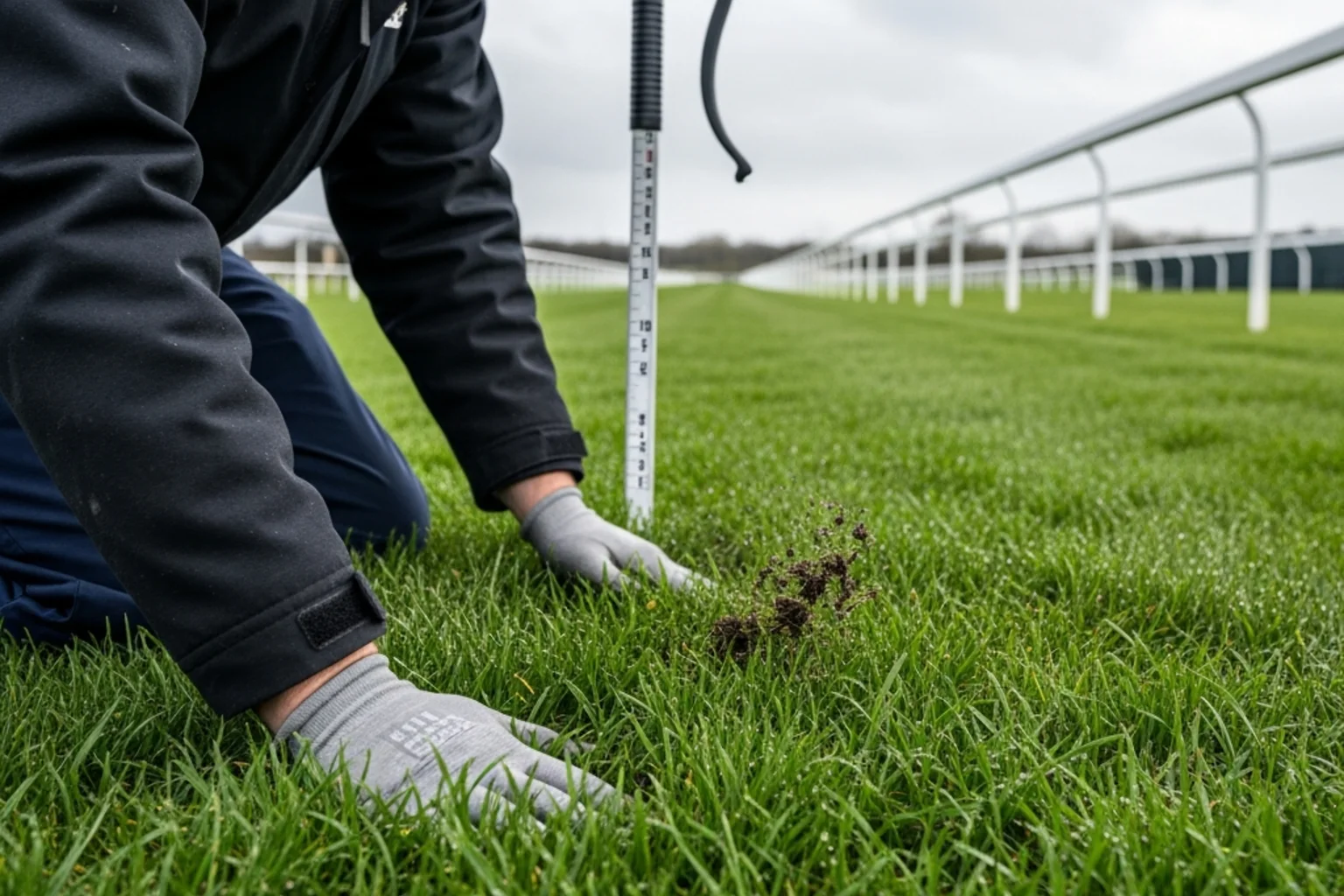
The going is measured using a GoingStick, which penetrates the turf to assess moisture and resistance. Official going is announced the day before racing and updated on the morning of the race if conditions change. Additional descriptions like good to soft in places or soft, good to soft in places indicate variation across the track, which can affect different parts of the straight mile differently.
For the Lincoln specifically, the straight mile at Doncaster tends to drain reasonably well, meaning conditions often ride better than the official description might suggest. Local knowledge about how Town Moor handles different weather patterns can provide an edge when interpreting going reports.
Historical Going Patterns
Lincoln Handicap records show considerable variation in ground conditions over the years. The race has been run on everything from good to firm to soft, with good to soft being the most common description in recent renewals. This reflects the unpredictable nature of British weather in late March, when the transition from winter to spring can go either way.
The 2025 Lincoln took place on good to soft ground, with Godwinson winning in a time of 1:40.09 according to race records. This relatively slow time compared to faster ground renewals illustrates how conditions affect race dynamics. Horses needed stamina to sustain their effort through the testing surface.
The race record stands at 1:36.51, set by Expresso Star in 2009 on good to firm ground. That time, nearly four seconds faster than the 2025 winning time, demonstrates the dramatic difference that ground conditions make. A horse capable of the record pace on fast ground would not necessarily handle soft conditions, and vice versa.
Analysing historical going patterns reveals no single condition that produces significantly more upsets than another. Favourites have disappointed and outsiders have won on all types of ground. The key is not which going is best for finding winners but which horses are best suited to the prevailing conditions.
Punters should track going conditions at Doncaster in the weeks before the Lincoln. Consistent rain produces softer ground that may persist even if the weather improves shortly before race day. Conversely, a prolonged dry spell can leave the course riding faster than typical for late March, changing the profile of likely winners.
Soft Ground Winners
Soft ground in the Lincoln rewards horses with particular attributes. Stamina becomes paramount when the surface offers resistance with every stride. Horses who finish their races strongly, coming from off the pace to mow down tiring leaders, often excel in testing conditions. The final furlong of a soft-ground Lincoln sees the field spread out as those lacking the constitution for the demands fade away.
Breeding can indicate soft-ground aptitude. Sires known for producing horses who handle cut in the ground pass this ability to their offspring. A horse by a sire with proven soft-ground credentials, out of a dam who raced effectively on soft, has genetic indicators that suggest it will cope with demanding conditions.
Previous form on soft ground provides the most direct evidence. A horse that has won or run well on soft ground elsewhere demonstrates proven ability in such conditions. Conversely, horses whose form is exclusively on faster ground represent unknowns when the ground turns testing. Some adapt; others do not.
The draw takes on added significance when the ground is soft. Rain often affects different parts of the track unevenly, creating strips of faster and slower ground. Jockeys who can find the better ground gain an advantage, meaning draw position and early tactical decisions become more important than on a uniformly good surface.
Weight also becomes more relevant on soft ground. Carrying ten stone through heavy going demands more effort than carrying the same weight on fast ground. The winning weight range may shift slightly lower when conditions deteriorate, as lighter-weighted horses find it easier to cope with the demands of the surface.
Good to Firm: Different Demands
When the Lincoln is run on good to firm ground, the race changes character. Speed becomes more important than stamina. Horses with quick actions who can cover ground efficiently without the surface slowing them down gain an advantage. The race tends to be run faster throughout, with less tactical variation and more emphasis on raw speed.
Faster ground suits horses with lighter frames and economical actions. Heavy-topped horses who rely on strength to power through soft ground may struggle to quicken in the closing stages when the surface is fast. The profile of likely winners shifts toward those with a turn of foot rather than those who grind down opponents.
The straight mile rewards different running styles depending on ground conditions. On fast ground, horses who race prominently can be harder to pass because the surface allows them to maintain their speed. On soft ground, hold-up horses benefit from the leaders tiring more quickly in the final stages.
Good to firm ground at Doncaster in March remains relatively uncommon but not unprecedented. When it occurs, punters should recalibrate their assessments accordingly. Horses with proven form on faster ground, particularly those who have shown speed over shorter distances, merit closer attention than they might receive on a typical soft-ground Lincoln.
Weather Forecasting for Bettors
Weather forecasts provide valuable information for Lincoln punters, though they require interpretation. A forecast of rain does not automatically mean soft ground if the preceding weeks have been dry. Conversely, good weather in race week cannot undo weeks of saturation. The cumulative pattern matters more than the conditions on any single day.
Checking the forecast a week before the Lincoln allows time to identify horses suited to the likely conditions and observe ante-post prices before the market adjusts. As race day approaches, forecasts become more reliable, but by then the market has typically incorporated the information. Early assessment provides an edge.
Doncaster publishes going reports on its website in the days before major meetings. These official assessments carry more weight than general weather forecasts because they reflect actual track conditions measured on the ground. Comparing the official going with the forecast helps gauge whether conditions are likely to improve or deteriorate.
Trainers make late withdrawal decisions based on conditions. A horse suited to fast ground might be pulled out if rain softens the track. Monitoring declared runners in the final days before the race can reveal which trainers believe conditions suit their charges and which have decided to wait for a better opportunity.
The practical approach combines weather monitoring with form analysis. Identify horses suited to both likely condition scenarios if uncertainty persists. When conditions become clear, narrow the selections to those whose form indicates they will handle the going. This flexible approach avoids committing to horses who might find conditions against them.
Ground conditions shape the Lincoln Handicap in ways that reward prepared punters. Understanding the going scale, recognising which horses handle different conditions, and monitoring weather patterns all contribute to making informed selections. The race happens once a year on whatever ground March provides, and matching horse to conditions offers one of the clearer paths to finding the winner.