

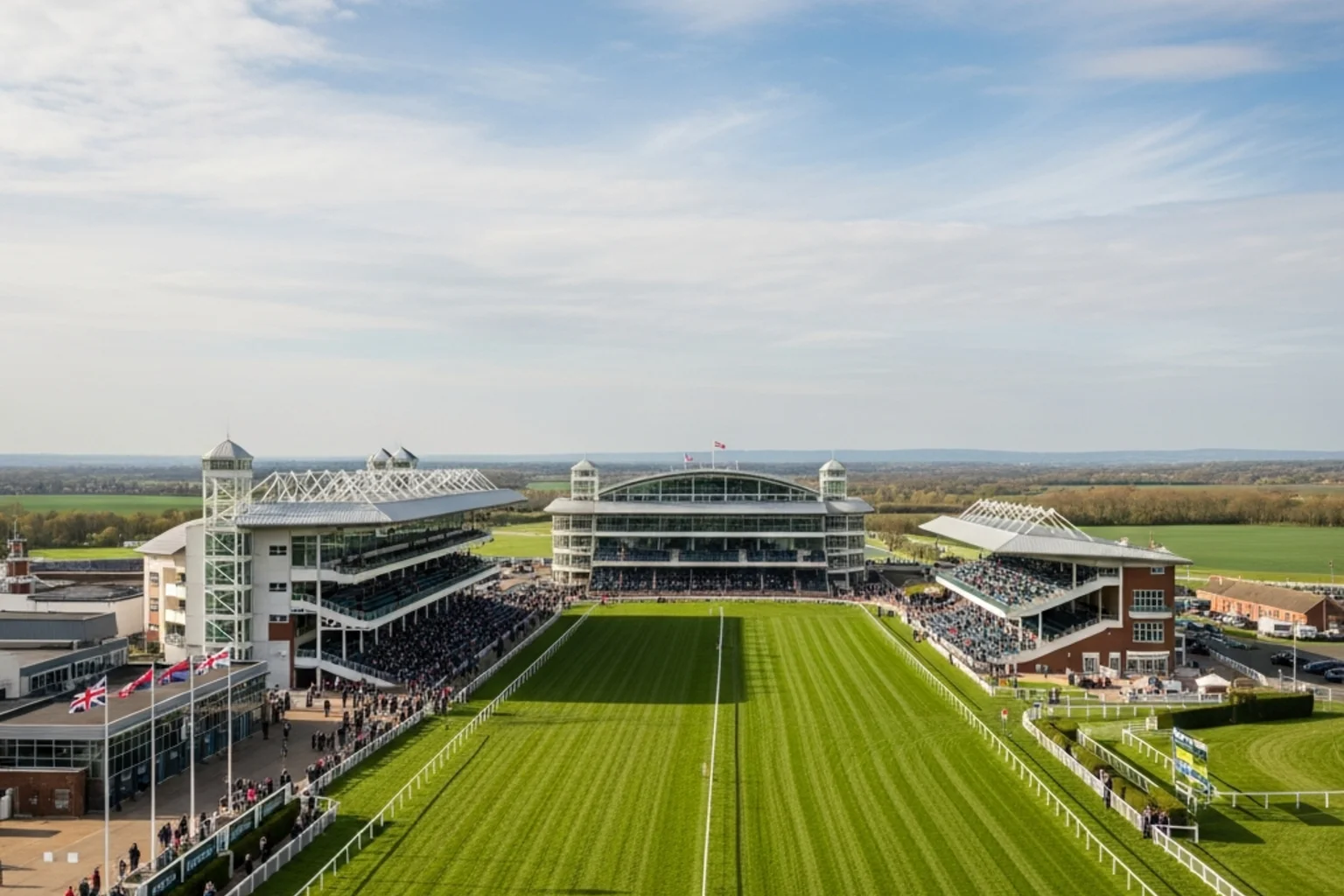
Doncaster Racecourse occupies a special place in British racing history. Located on Town Moor, this South Yorkshire venue has hosted racing since the sixteenth century and remains one of the country’s premier flat racing tracks. The Lincoln Handicap, as the traditional season opener, draws attention to Doncaster every March, but the course offers much more throughout the racing calendar.
The racecourse combines historical significance with modern facilities. It hosts the St Leger, the oldest Classic race, each September, and attracts significant crowds for its major meetings. Understanding the track’s layout and characteristics helps punters assess how different horses will perform on its unique surfaces.
For visitors attending the Lincoln or any other Doncaster meeting, knowing what to expect enhances the experience. From the straight mile used for the Lincoln to the facilities available on course, this guide covers what racegoers and bettors need to know about Town Moor.
Track Layout and Characteristics
Doncaster features two distinct courses: a round course of approximately two miles used for longer races, and a straight mile course used for sprints and mile races including the Lincoln Handicap. Both courses share the same turf but offer different challenges to horses and jockeys.
The round course is left-handed with wide, sweeping bends that place minimal emphasis on agility. Horses with long, galloping actions tend to excel here, as the generous curves allow them to maintain rhythm without needing to balance sharply. The round course rises gradually through the back straight before descending toward the finish, creating a test of stamina as much as speed.
Track width at Doncaster exceeds most British courses, allowing large fields to spread across the racing surface. This matters particularly for handicaps like the Lincoln, where twenty or more runners need space to find racing room. The width reduces the interference problems common at tighter tracks, though traffic can still occur when fields bunch in the closing stages.
The ground at Town Moor tends toward the good side of the going scale, draining better than many courses. March meetings can see anything from good to soft after winter rain to good to firm during dry spells, but truly heavy ground is rare. The straight course often rides slightly faster than the round course on the same day, as it receives less wear from routine gallops.
Doncaster’s fair nature makes it accessible to horses of various types. Front-runners are not systematically disadvantaged, nor are hold-up performers at a structural disadvantage. The track rewards quality and fitness rather than specific running styles, which contributes to competitive handicaps where multiple approaches can succeed.
According to the Racecourse Association, British flat racing attracted an average attendance of 3,304 per fixture in 2024. Doncaster typically exceeds this average for its major meetings, reflecting the venue’s prominence in the racing calendar.
The Straight Mile Course
The straight mile at Doncaster runs perpendicular to the main grandstand, with the start positioned at the far end of Town Moor and the finish directly in front of the stands. Horses run the entire distance without encountering a bend, making it a pure test of speed and stamina with no tactical complications from turns.
Draw positions become significant on the straight mile. Depending on ground conditions and prevailing weather, one side of the course often rides faster than the other. The stands side, corresponding to high draw numbers, typically offers an advantage when the ground has any ease in it. Soft conditions accentuate this bias, as the stands rail side tends to drain better and provide firmer footing.
Jockeys face tactical decisions from the moment the stalls open. Do they commit to the favoured side, potentially racing wide to get there? Or do they take a direct route from their draw position and hope the ground they cover is good enough? These decisions shape race outcomes and create scenarios where well-drawn horses hold advantages over those stuck on the unfavoured side.
The finish on the straight mile is positioned where spectators have an excellent view of the closing stages. Horses racing up the centre or near the stands rail are clearly visible throughout the final furlong, making for compelling viewing as the field spreads across the track in pursuit of the winning post.
The Lincoln Handicap is the most prestigious race run on the straight mile, but the course also hosts valuable sprints and other mile handicaps throughout the season. Understanding how the track rides on any given day matters for all straight-course races, not just the Lincoln.
Facilities and Race Day Experience
Doncaster Racecourse has invested significantly in its facilities over recent years. The grandstand offers multiple levels of viewing, from general admission areas where racegoers can stand trackside to premium enclosures with reserved seating and hospitality options. The range of ticket options accommodates different budgets and preferences.
Betting facilities on course include representatives from major bookmakers along with Tote windows. For those who prefer to bet in person rather than via mobile apps, the betting ring maintains the traditional atmosphere of on-course wagering, with bookmakers adjusting prices in real time as money arrives.
Food and drink options range from fast-food outlets to sit-down restaurants. Lincoln Day brings out special menus and promotions, recognising the occasion as the start of the flat season. Licensed bars serve throughout the afternoon, though queueing can extend during busy periods around feature races.
The parade ring provides the opportunity to view horses before each race, with trainers and jockeys discussing tactics before the mount. Experienced racegoers use this time to assess horses’ condition, looking for signs of fitness or nervousness that might inform betting decisions. The ring offers close-up viewing that television coverage cannot replicate.
British racecourse attendance reached 4,799,730 across all fixtures in 2024, a figure that reflects the enduring appeal of attending racing in person. Doncaster’s Lincoln meeting contributes to these numbers, drawing crowds who want to be present for the first major flat race of the season.
Getting to Doncaster
Doncaster benefits from excellent transport connections. The racecourse sits approximately two miles from Doncaster railway station, which receives direct services from London King’s Cross, Leeds, Sheffield, and other major cities. Journey time from London is approximately ninety minutes, making day trips feasible for racegoers from the capital.
Regular shuttle buses operate between the railway station and racecourse on race days, reducing the need for taxis or lengthy walks. The service typically runs from an hour before the first race until shortly after the last, covering both arrival and departure.
Road access via the A1(M) makes Doncaster reachable from most parts of northern and central England. The racecourse maintains extensive car parks that can accommodate major meetings, though arriving early is advisable for popular fixtures like the Lincoln. Sat-nav systems recognise the racecourse postcode for straightforward navigation.
Local hotels offer packages for racegoers who prefer overnight stays. The town centre provides options across different price ranges, from budget chains to more upmarket establishments. Booking ahead for Lincoln weekend is advisable, as accommodation fills quickly once the flat season approaches.
For those flying in, Robin Hood Airport lies approximately seven miles from the racecourse, though domestic connections are limited. Manchester and Leeds Bradford airports offer more flight options, with onward travel to Doncaster by train or rental car taking between one and two hours depending on the route.
Doncaster Racecourse combines centuries of racing heritage with modern amenities. Whether visiting for the Lincoln Handicap or any other meeting, understanding the track’s layout and facilities enhances both the racing experience and the prospects of making informed bets. Town Moor rewards those who appreciate its characteristics and come prepared to enjoy what the venue offers.
